
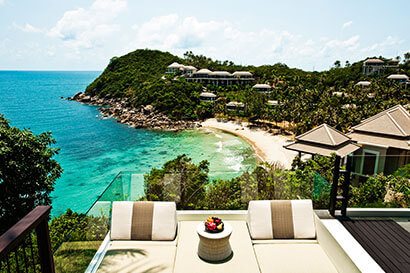
Thailand offers a compelling setting for a destination wedding. From the limestone formations and turquoise waters of Krabi to the private villas of Phuket, the beachfront resorts of Koh Samui and the cultural character of Chiang Mai, the country offers a remarkable range of settings for a celebration.
But when it comes to planning a wedding in Thailand, the destination is only the beginning.
The choice of location influences almost every decision that follows: the venue, guest travel, accommodation, event schedules, décor, production requirements and the overall budget. A beachfront wedding with 100 guests requires a very different approach from a multi-day celebration at a private resort with several hundred attendees.
The most important decisions, therefore, need to happen before bookings begin.
At DreamzKrraft, we approach destination weddings by looking at the celebration as a complete experience. The creative vision matters, but so do the realities of the location, the logistics of bringing everything together and the experience of every guest attending.
If Thailand is on your wedding shortlist, here is what to consider before committing to a destination, venue or date.
1. Choose the Destination Before You Choose the Venue
Thailand is not a single wedding destination with one defining atmosphere. Each region offers different landscapes, travel considerations and possibilities for the celebration.
The right choice depends on what you want the wedding to feel like, how many people you are inviting and how you intend to use the destination.
Phuket: For a Wedding With Variety
Phuket offers a combination of beachfront resorts, private villas, luxury hotels and coastal venues. Its range of accommodation and event options can make it suitable for celebrations with different guest counts and formats.
For couples planning several functions, the choice of property becomes particularly important. You need to establish whether the venue can accommodate the ceremony, reception and other events comfortably, or whether the programme will involve moving between locations.
Koh Samui: For a More Intimate Island Setting
Koh Samui is known for its coastal scenery, resort properties and private-villa settings. It can be well suited to couples looking for a more contained destination experience.
However, the availability of suitable venues, accommodation capacity and guest travel arrangements need to be assessed against the proposed wedding size. A secluded property may offer the desired atmosphere but require additional planning for transport, suppliers and event infrastructure.
Krabi: For a Landscape-Led Celebration
Krabi offers distinctive coastal scenery, limestone formations and dramatic natural surroundings.
For a wedding here, the landscape can play a central role in the creative direction. Rather than introducing an elaborate design that competes with the setting, the décor can be developed around the natural environment.
The practical requirements still need careful assessment, particularly when considering outdoor ceremonies, weather contingencies, technical equipment and access for production teams.
Bangkok: For a City Wedding
Bangkok offers luxury hotels, contemporary event spaces and extensive hospitality infrastructure. It may be a suitable choice for couples who want a destination wedding with convenient access to accommodation, dining and city experiences.
The design possibilities range from sophisticated hotel celebrations to large-scale productions in contemporary venues.
How DreamzKrraft approaches the decision: We would begin by understanding the couple’s vision, guest profile, preferred atmosphere and event format before narrowing down the destination. The objective is to find a location that supports the entire wedding, rather than selecting a destination based on photographs alone.
2. Establish the Guest Count Before Shortlisting Venues
One of the most common planning challenges is falling in love with a venue before establishing whether it can accommodate the intended celebration.
A property may look ideal for a ceremony but have limited space for dining, entertainment or additional functions. Another may have a spectacular event lawn but insufficient accommodation for the number of guests expected to stay on-site.
Before approaching venues, establish a realistic guest count.
Then consider how that number translates into the different parts of the wedding.
- Ceremony: Will every guest have a clear view of the proceedings?
- Dining: Can the venue accommodate the preferred table layout without compromising circulation?
- Entertainment: Is there sufficient space for staging, performances and guest participation?
- Additional functions: Can the property accommodate the welcome event, mehendi, sangeet and reception?
- Accommodation: How many guests can stay on-site, and what alternatives are available nearby?
- Guest facilities: Are there suitable restrooms, accessible routes, shaded areas and comfortable waiting spaces?
These questions become especially important when the wedding involves elaborate décor or technical production.
At DreamzKrraft, the guest count and venue layout would be considered alongside the creative brief. This helps establish what the space can accommodate before the design is developed in detail.
3. Understand What the Venue Booking Actually Includes
A venue’s quoted price may not represent the complete cost of hosting your wedding there.
Some properties offer comprehensive wedding packages, while others charge separately for event spaces, catering, furniture, technical facilities and additional services.
Before signing an agreement, clarify precisely what is included.
Ask about:
- Venue rental and the duration of access.
- Food and beverage arrangements.
- Minimum guest numbers or minimum-spend requirements.
- Accommodation rates and room-block conditions.
- Furniture, basic lighting and sound facilities.
- Charges for external décor, entertainment or production teams.
- Installation and dismantling access.
- Overtime charges and restrictions on event timings.
- Outdoor event permissions and weather-related alternatives.
- Taxes, service charges, deposits and cancellation terms.
It is also important to understand whether the venue has preferred or exclusive suppliers. Restrictions on external vendors can affect the design, budget and production approach.
The key consideration: Evaluate the venue based on the complete cost and the experience it can deliver, not just the initial rental figure.
DreamzKrraft’s planning approach considers the venue’s operational requirements alongside its creative potential, helping couples understand the wider implications before they commit.
4. Check the Weather Before Fixing Your Wedding Date
Thailand’s tropical climate makes weather planning essential, particularly for outdoor celebrations.
Conditions vary across the country, and the weather patterns experienced in Phuket may differ from those in Koh Samui. Even within a single destination, local conditions can affect whether a beachfront ceremony or open-air reception is practical at a particular time of year.
Before confirming a date, assess the seasonal conditions for the specific location.
Consider:
- Typical rainfall and humidity during the proposed wedding period.
- Daytime temperatures and the comfort of guests spending several hours outdoors.
- The likelihood of strong winds affecting décor, floral installations and temporary structures.
- The availability and capacity of an indoor alternative.
- The venue’s policies for moving an event indoors.
- The additional costs associated with temporary structures or weather protection.
A backup plan needs to be more than a covered area identified at the last minute.
It should accommodate the guest count, essential technical equipment, catering arrangements and the overall event design. If the original ceremony is planned for a lawn overlooking the sea, for example, the alternative location needs to be assessed for its sightlines, layout and production requirements.
At DreamzKrraft, weather contingencies would be considered during the initial planning stages, so the creative direction remains workable even if the original plan needs to change.
5. Plan Guest Travel Before Finalising the Event Programme
A destination wedding is also a travel experience.
Guests may be arriving from different cities and countries, travelling with children or older family members, and managing different flight schedules. The destination’s accessibility can influence attendance, accommodation choices and the timing of the wedding functions.
Before confirming the programme, understand how guests will reach the venue.
Consider the following:
- Which airports serve the chosen destination?
- Are direct flights available from the main cities where guests will travel from?
- How long will transfers from the airport to the hotel take?
- Are private transfers or group transportation required?
- Will guests arrive across several days or within a short window?
- Are there sufficient accommodation options at different price points?
- Will guests need additional support with local transport or travel information?
The distinction between an airport transfer and a complete guest transportation plan is important. A wedding with several venues may require coordinated movement throughout the event, not just a single arrival and departure transfer.
DreamzKrraft would consider these logistics while planning the wider wedding schedule. This allows the event timings to reflect how guests will actually experience the destination.
6. Decide Whether You Want One Venue or Multiple Locations
Thailand offers opportunities to create different experiences across several settings. A welcome dinner overlooking the sea, a daytime celebration in a tropical garden and an evening reception in a ballroom can each have a distinct character.
However, using multiple venues also introduces additional complexity.
Every change of location affects transport, timings, supplier coordination, production access and guest movement. Décor and technical equipment may need to be installed separately, while the team has to manage different venue rules and access windows.
Before choosing this format, consider what each additional location contributes to the celebration.
A useful starting point is to map the proposed functions against the available venues.
| Wedding function | What to consider |
| Welcome dinner | Arrival timings, dining arrangements and transport |
| Mehendi | Daytime comfort, shade, seating and activity areas |
| Sangeet | Stage, sound, lighting, performance requirements and event timings |
| Wedding ceremony | Guest sightlines, ceremonial requirements and weather contingencies |
| Reception | Dining capacity, entertainment, technical production and venue access |
| Farewell brunch | Guest departures, flight schedules and a relaxed event programme |
Not every wedding needs a different venue for every function. Sometimes, using one well-equipped property creates a more comfortable experience and simplifies production.
At DreamzKrraft, the decision would be based on the experience the couple wants to create and whether the benefits of each location justify the additional logistics.
7. Understand the Production Requirements Before Finalising the Design
A beautiful wedding concept needs to be developed around what the venue can physically support.
This becomes particularly important for outdoor and destination celebrations, where the infrastructure may differ from that of a conventional hotel ballroom.
A design concept might include a custom-built ceremony structure, suspended installations, elaborate floral arrangements or a technically complex stage. Each element has requirements that need to be assessed before it can be approved.
These include:
- Site access: Can trucks and installation teams reach the event area?
- Fabrication: Can custom elements be built locally, or do they need to be transported?
- Power: Is sufficient power available for lighting, sound and technical production?
- Structural safety: Are temporary structures and suspended elements permitted and properly engineered?
- Installation windows: How much time is available before the event?
- Weather protection: Can the selected materials and installations withstand the expected conditions?
- Dismantling: When must the space be cleared, and are there restrictions on working hours?
The answers can influence the final design, which is why production should not be treated as a task that begins after the creative concept has been approved.
At DreamzKrraft, our production-led approach considers how the visual idea will translate into a real environment. This allows the team to develop ambitious concepts while accounting for the practical realities of the destination.
8. Build a Realistic Budget Before Committing to the Destination
The cost of a destination wedding extends beyond the venue and décor.
Flights, accommodation, transport, catering, entertainment, production, guest experiences and local supplier arrangements all contribute to the overall investment.
The budget also depends on the format of the wedding. A smaller celebration at a private resort may involve fewer event spaces but higher accommodation costs, while a larger wedding may require extensive production and additional infrastructure.
Before confirming bookings, develop a budget that accounts for the complete programme.
Your budget should consider:
- Venue rental and accommodation.
- Catering and beverages.
- Décor, florals and bespoke fabrication.
- Lighting, sound, staging and entertainment.
- Travel and accommodation for essential team members, where applicable.
- Guest transfers and hospitality.
- Photography and videography.
- Wedding stationery and personalised details.
- Local taxes, service charges and vendor fees.
- Weather contingencies and other unforeseen expenses.
It is also worth distinguishing between costs quoted in Thai baht and expenses paid in another currency. Exchange-rate changes, international payment charges and deposit schedules can affect the final amount paid.
At DreamzKrraft, the budget should be developed alongside the creative brief and event format. This creates a clearer basis for deciding where to invest in the guest experience and which elements can be adapted without compromising the overall vision.
9. Understand Local Rules, Legal Requirements and Cultural Considerations
Planning a wedding abroad involves more than booking a venue and arranging the celebrations.
If you intend to legally register your marriage in Thailand, the documentation and administrative requirements need to be confirmed well in advance with the relevant Thai authorities and your country’s embassy or consulate. Requirements can vary according to nationality and personal circumstances.
Some couples choose to complete the legal marriage formalities in their home country and hold the wedding ceremony in Thailand. Others prefer to explore the legal process locally.
The right approach depends on the couple’s circumstances, so this decision should be made before the event programme is finalised.
Other considerations include:
- Permissions required for outdoor events or particular activities.
- Restrictions on amplified sound, event timings or fireworks.
- Rules governing temporary structures and décor installations.
- Local regulations affecting catering and entertainment.
- Customs requirements for transporting certain materials or equipment across borders.
- Venue-specific rules concerning religious or cultural ceremonies.
Cultural sensitivity also matters when selecting a location or planning activities around the destination.
If the celebration includes local cultural experiences, these should be approached respectfully and in consultation with appropriate local professionals.
DreamzKrraft would account for these requirements as part of the planning process, working with relevant local partners and specialists where needed. Legal and regulatory questions should always be verified with the appropriate authorities rather than assumed from general destination information.
10. Plan the Wedding Timeline Around the Destination
A destination wedding timeline needs to account for more than the ceremony and reception.
Guest arrivals, room check-ins, transfers, venue access, décor installation, rehearsals and transitions between functions all influence the schedule.
The timeline should also reflect the conditions of the destination. For an outdoor wedding, for example, the ceremony may need to be planned around the most suitable light and temperature, while the production team needs sufficient time to complete installations and technical checks.
A broad planning sequence might look like this:
12–18 months before the wedding
- Establish the guest count, budget and overall wedding format.
- Shortlist destinations and assess their suitability.
- Explore venues and accommodation capacity.
- Review seasonal conditions and travel accessibility.
9–12 months before the wedding
- Confirm the venue and dates.
- Establish the event programme and creative direction.
- Begin planning major production requirements.
- Review travel and accommodation arrangements.
6–9 months before the wedding
- Confirm key suppliers and entertainment.
- Develop the detailed décor and production plans.
- Coordinate guest communications and travel information.
- Review legal or administrative requirements.
3–6 months before the wedding
- Finalise event layouts, menus and major design elements.
- Confirm transportation, room allocations and function timings.
- Review installation schedules and contingency plans.
The final 4–8 weeks
- Confirm guest numbers and supplier schedules.
- Recheck venue access, technical requirements and weather arrangements.
- Coordinate the final run of show.
- Conduct final reviews with the relevant teams.
The exact timeline will vary according to the wedding’s scale, the destination and the availability of venues and suppliers. The purpose of planning early is to ensure that major decisions are made in the right order, reducing the likelihood of expensive changes later.
11. Think About the Guest Experience Beyond the Wedding Day
One of the advantages of a destination wedding is the opportunity to bring people together for more than a single event.
Guests may be travelling a considerable distance, taking time off work and coordinating family commitments to attend. The experience should therefore extend beyond the ceremony itself.
Depending on the destination and the wedding format, this might include a welcome dinner, a curated local experience, time to enjoy the resort or a farewell brunch.
However, the programme should allow guests enough time to rest and explore independently. A packed itinerary can leave little room for the destination itself, particularly when several functions take place over consecutive days.
Thoughtful guest planning may include:
- Clear information about travel, accommodation and local transport.
- A coordinated arrival experience.
- A concise itinerary with event timings and dress codes.
- Information about the destination, local weather and practical considerations.
- Dietary requirements and accessibility arrangements.
- A dedicated point of contact for guest assistance.
- Departure coordination for guests leaving at different times.
For DreamzKrraft, guest hospitality is part of the larger wedding design. The objective is to make the experience feel considered from arrival to departure, with the schedule, setting and supporting arrangements working together.
Planning a Wedding in Thailand With DreamzKrraft
Thailand offers the possibility of creating a wedding that feels distinctly connected to its destination, whether that means a coastal ceremony, a multi-day resort celebration or an event shaped around the country’s landscapes and hospitality.
But the success of the celebration depends on the decisions made before the first booking.
The destination needs to suit the guest profile. The venue needs to support the event format. The creative vision needs to work within the location’s physical and technical constraints. And the budget, schedule and guest experience need to be considered as parts of the same plan.
At DreamzKrraft, we bring together creative direction, wedding planning, design and production to approach destination celebrations as complete experiences.
Our process begins with understanding the couple’s vision and assessing what the destination can offer. From there, the venue, design, event programme and production requirements can be developed around a clear direction.
The aim is not simply to create a beautiful wedding in Thailand. It is to make the destination an integral part of a celebration that feels personal, cohesive and thoughtfully executed.
Before you book the venue, understand the experience you want to create. The right destination, and the right plan, should follow from there.
Frequently Asked Questions
1. What should you consider before planning a wedding in Thailand?
Before booking anything, establish your guest count, budget, preferred wedding format and destination. Assess the venue’s capacity, accommodation, accessibility, seasonal weather, event restrictions and production requirements. These decisions influence the design, logistics and overall guest experience.
2. Which destinations in Thailand are suitable for a destination wedding?
Phuket, Koh Samui, Krabi and Bangkok offer different possibilities. Phuket provides a range of resorts and private venues, Koh Samui is known for its island setting, Krabi offers distinctive coastal landscapes, and Bangkok provides city hotels and contemporary event spaces. The right destination depends on your guest count, preferred atmosphere, travel arrangements and event requirements.
3. When is the best time to plan a wedding in Thailand?
The most suitable time depends on the specific destination, as weather patterns vary across Thailand. Review local seasonal rainfall, humidity and temperature before fixing the date, and confirm the venue’s contingency arrangements. Historical weather patterns can inform planning, but they cannot guarantee conditions on the wedding day.
4. How far in advance should you start planning a wedding in Thailand?
For a multi-day destination wedding, beginning approximately 12–18 months in advance can provide more time to secure suitable venues, arrange accommodation, develop the creative direction and coordinate suppliers. Smaller celebrations may require less time, depending on availability and complexity.
5. What costs should be included in a Thailand destination wedding budget?
The budget should account for venue rental, accommodation, catering, décor, production, entertainment, guest transport, photography, hospitality, taxes, service charges and contingency expenses. International travel and accommodation for essential team members may also need to be included, depending on the arrangements.
6. How do you manage weather risks for an outdoor wedding in Thailand?
Assess the seasonal conditions for the specific destination and develop an alternative plan that can accommodate the guest count, event layout and essential technical requirements. The venue’s indoor capacity, temporary structures, flooring and installation schedules should all be reviewed before the final design is approved.
7. Can you have a multi-day wedding in Thailand at one venue?
Yes, provided the property has sufficient space and facilities for the planned functions. Hosting multiple events at one venue can simplify guest transport and production logistics. However, the available spaces, transformation schedules, event restrictions and accommodation capacity should be assessed before confirming the programme.
8. Do you need to complete the legal marriage formalities in Thailand?
Not necessarily. Some couples complete the legal marriage formalities in their home country and hold their wedding celebration in Thailand. Others explore registering their marriage locally. Requirements depend on nationality and individual circumstances, so couples should confirm the current process with the relevant Thai authorities and their embassy or consulate.
9. How does DreamzKrraft approach planning a wedding in Thailand?
DreamzKrraft approaches destination weddings through a combination of creative direction, planning, design and production. The process considers the couple’s vision, destination, venue, guest experience, budget and logistical requirements to develop a cohesive celebration that can be executed effectively.
10. What should you confirm with a Thai wedding venue before paying a deposit?
Confirm the venue’s capacity, rental inclusions, accommodation arrangements, catering requirements, supplier restrictions, event timings, installation access, payment schedule, cancellation terms and weather contingency options. Understanding these conditions before signing helps establish the venue’s suitability and the full scope of the commitment.