Quick Answer
Piece a luxury wedding together from a dozen separate vendors and you inherit a dozen separate visions, contracts and points of failure. End-to-end planning exists to solve exactly that — one creative house holding design, production, planning and execution as a single, accountable whole.
Key Takeaways
- Fragmented vendor management creates gaps no one owns.
- End-to-end means design, fabrication, planning and execution under one roof.
- A unified vision keeps every function feeling like one story.
- DreamzKrraft’s in-house model is built precisely for this.
The problem with fragmentation
When a decorator, a planner, a production company and a caterer all work in parallel, the seams show: clashing aesthetics, finger-pointing when something slips, and a couple forced to become the project manager of their own wedding. Complexity that no single party owns is complexity that lands on you.
What end-to-end actually means
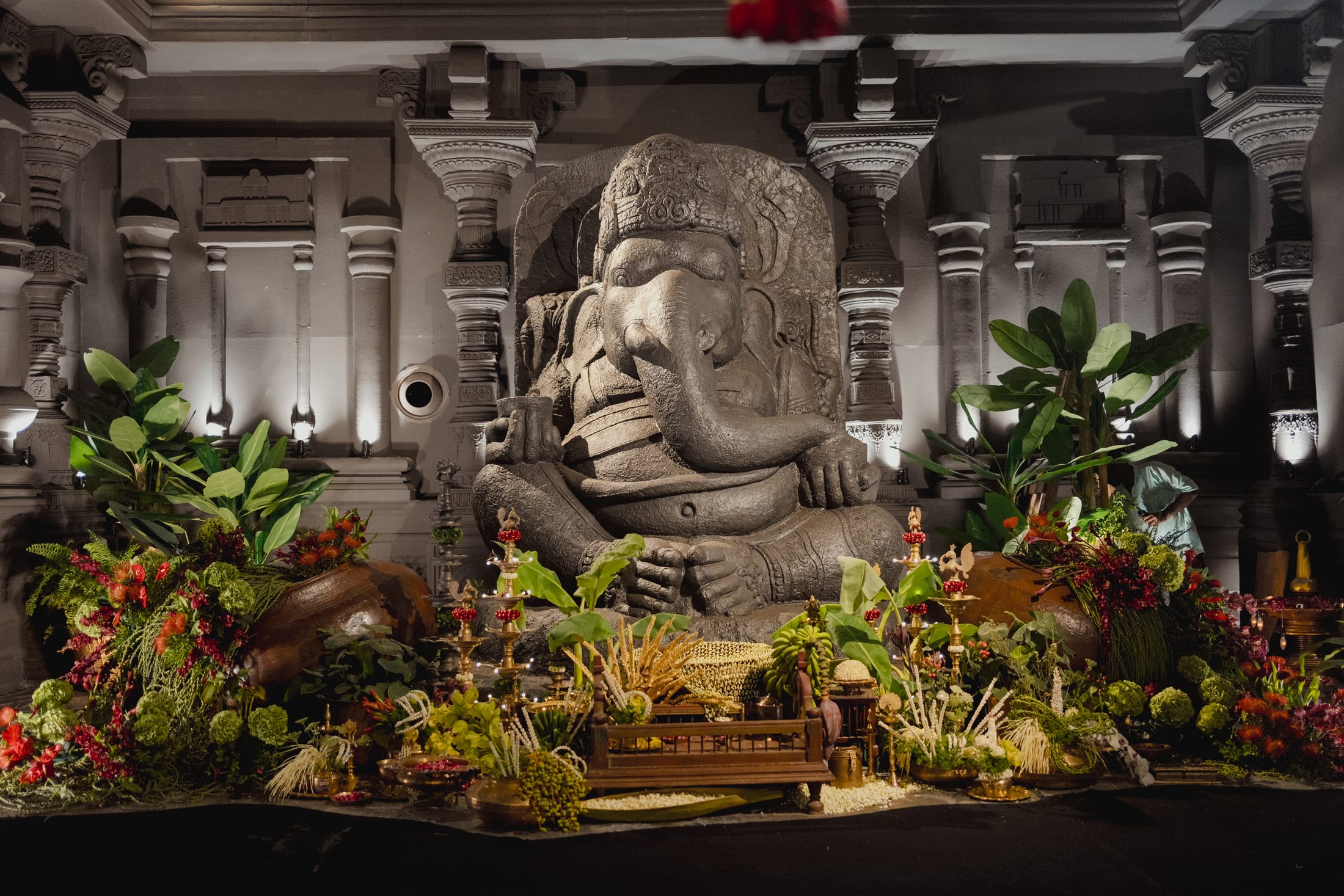
End-to-end means one team carries the wedding from first idea to final send-off — concept, design, custom fabrication, logistics, hospitality and on-ground delivery. At DreamzKrraft, that is not outsourced; a 40+ creative team and a 60,000 sq.ft. warehouse keep it in-house.
Fragmented vendors deliver a wedding. One house delivers a world that holds together.
One vision, every function
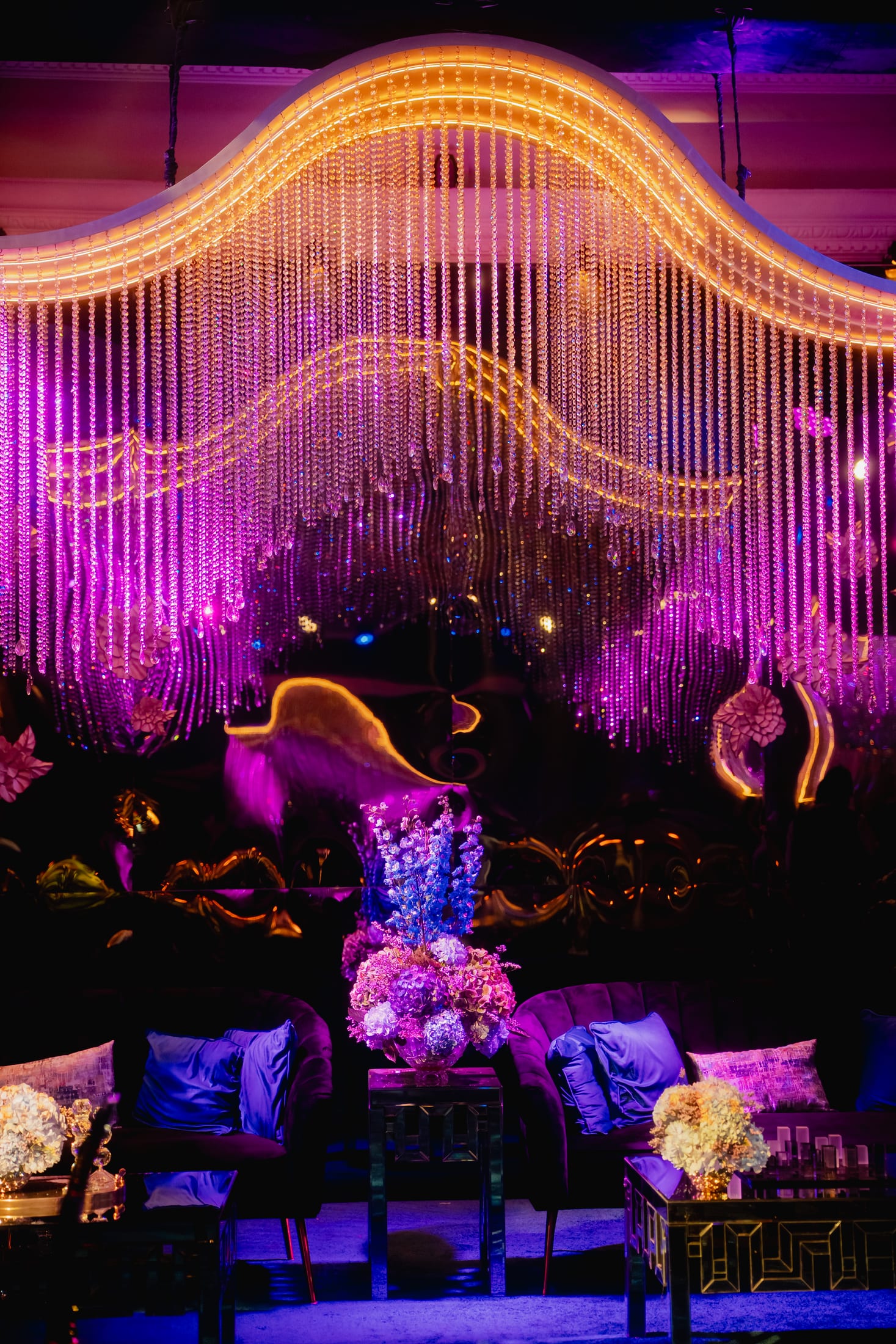
The reward is coherence. When the same house designs the mehendi, the sangeet and the wedding, they read as chapters of one story rather than three separate events. The full scope of our services exists so that nothing falls between disciplines.
Accountability you can feel
Most of all, end-to-end planning means a single point of accountability. If something needs solving at midnight before the wedding, there is no debate about whose job it is. That clarity is the quiet luxury behind every great celebration — and the reason families choose to work with us.