Quick Answer
Both a traditional planner and a luxury wedding house will get you to the aisle. What differs is everything in between — how the wedding is conceived, who builds it, and how much of the experience is designed rather than simply arranged.
Key Takeaways
- Traditional planning coordinates vendors; luxury planning authors and produces an experience.
- Luxury houses build custom rather than rent off-the-shelf.
- The luxury timeline is a 12–18 month creative process, not a day-of service.
- Guest experience is engineered, not left to chance.
Coordination versus creation
Traditional planning is, at heart, coordination: booking trusted vendors and keeping them on schedule. Luxury planning begins a step earlier, with creation — defining a concept and visual language before anything is booked. At DreamzKrraft, the wedding is designed as a world, then realised.
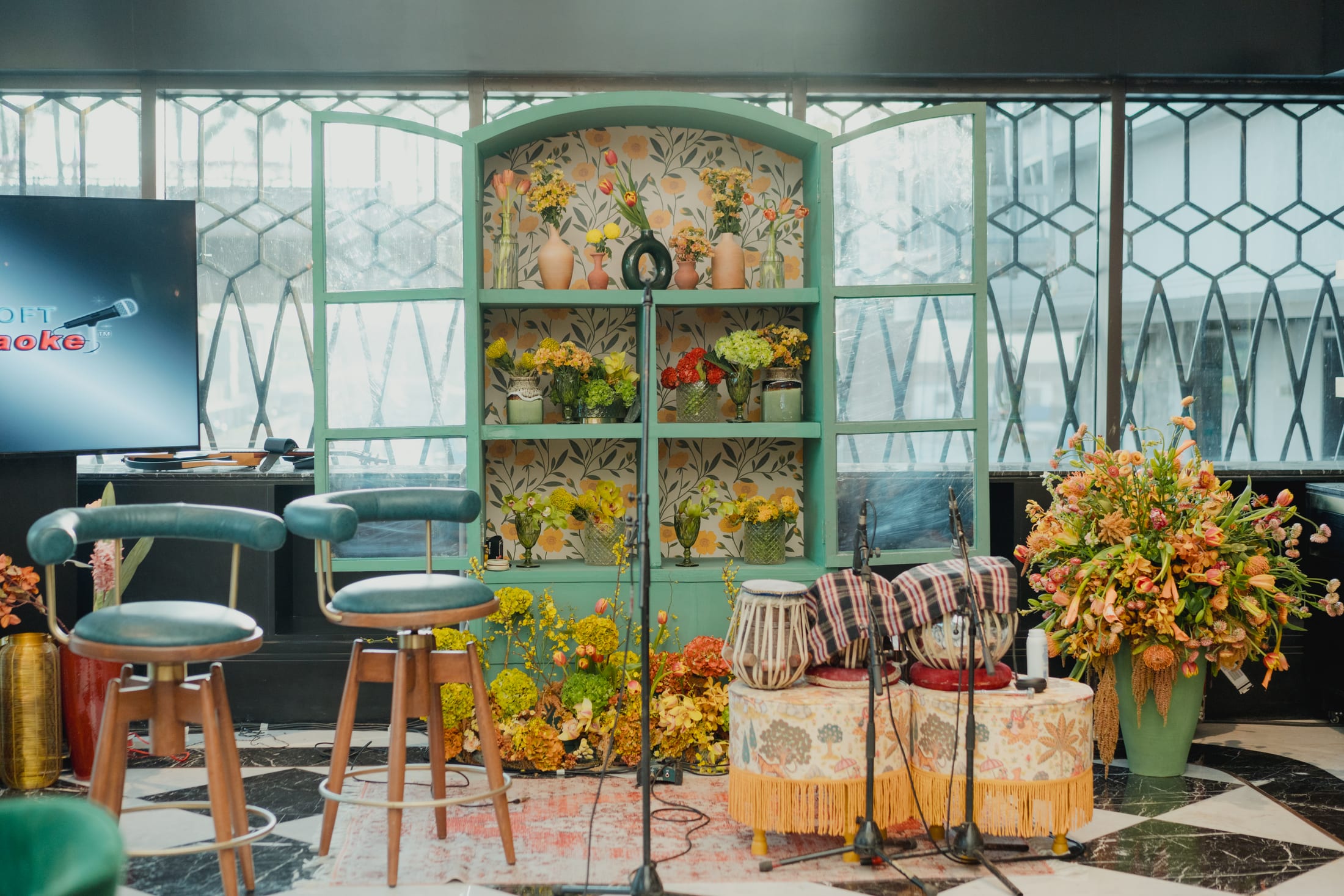
Eight dimensions where they part ways
The clearest way to see the gap is dimension by dimension:
- Vendors: outsourced and coordinated → a 40+ in-house creative team.
- Décor: rental and off-the-shelf → custom fabrication in a 60,000 sq.ft. warehouse.
- Timeline: day-of management → a 12–18 month design process.
- Scope: logistics → design, production, hospitality and execution.
- Guest experience: a guest list → a designed guest journey.
- Production: what the venue offers → staging and lighting built to concept.
- Personalisation: theme templates → a narrative drawn from the couple.
- Accountability: many contracts → one team, one point of contact.
Traditional planning asks “is everything booked?” Luxury planning asks “how will every guest feel?”
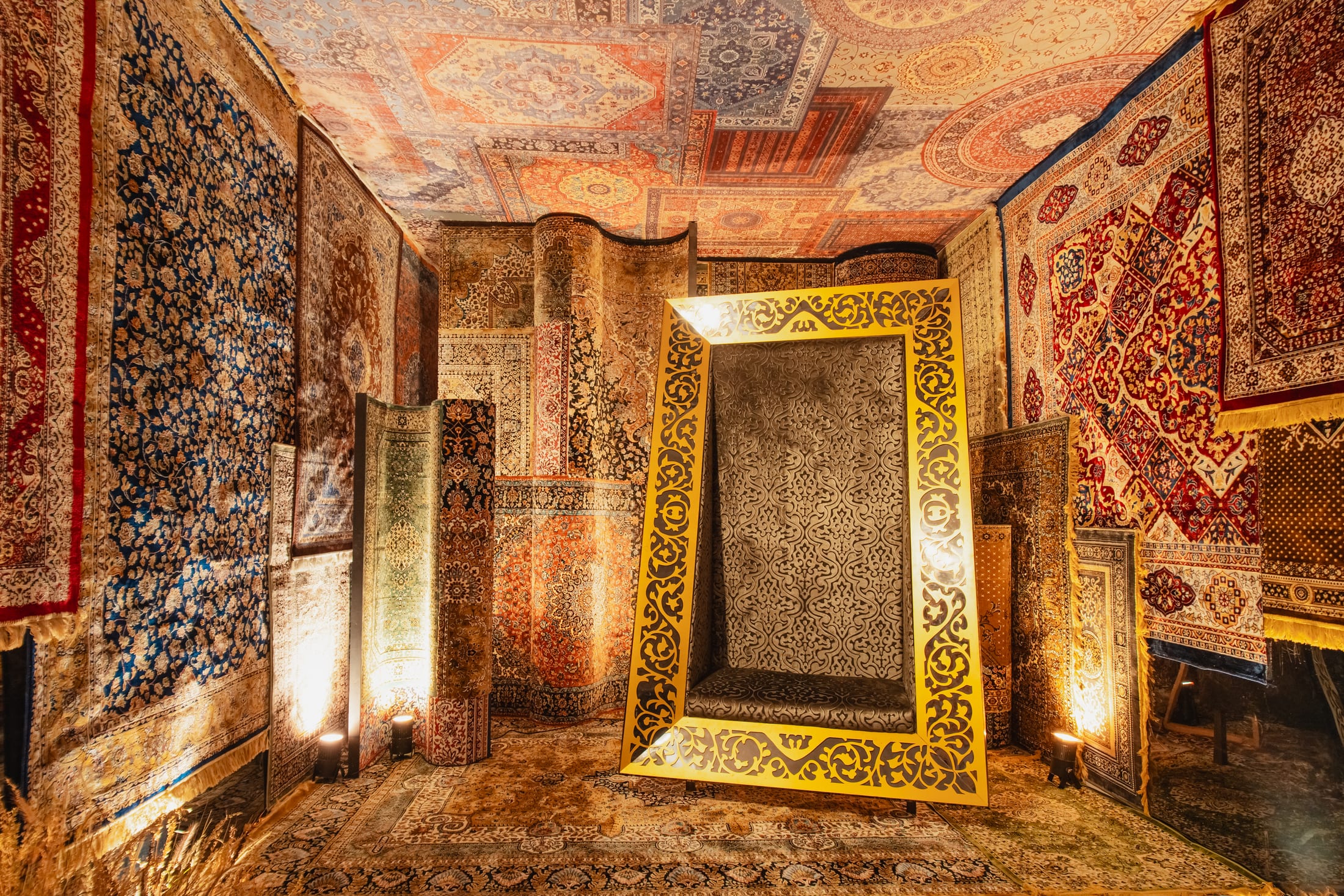
Rented versus built
The most visible difference is fabrication. A traditional setup draws from a catalogue of available décor; a luxury house builds to specification. For the Shetty wedding, our team recreated an entire Mangalorean temple complex — over 100,000 sq.ft., 250+ carved pillars — because the family’s story demanded it. That is not something you can rent.
The experience, not just the event
Luxury planning treats the guest’s whole experience as the product: the welcome, the flow between functions, the food, the entertainment and the hospitality. The wedding is not only seen, it is felt — which is precisely the standard our end-to-end services are built around.