Category: Wedding Planning Guides

  • The Ultimate Luxury Wedding Planning Checklist

    The Ultimate Luxury Wedding Planning Checklist

    18–14 months out: foundations

    This is the thinking phase. Engage your planner, define the celebration’s concept and feeling, set a realistic budget shape, and draft the guest list — because guest count drives venue, scale and spend. Shortlist and secure your venue and date, ideally before anything else is booked.
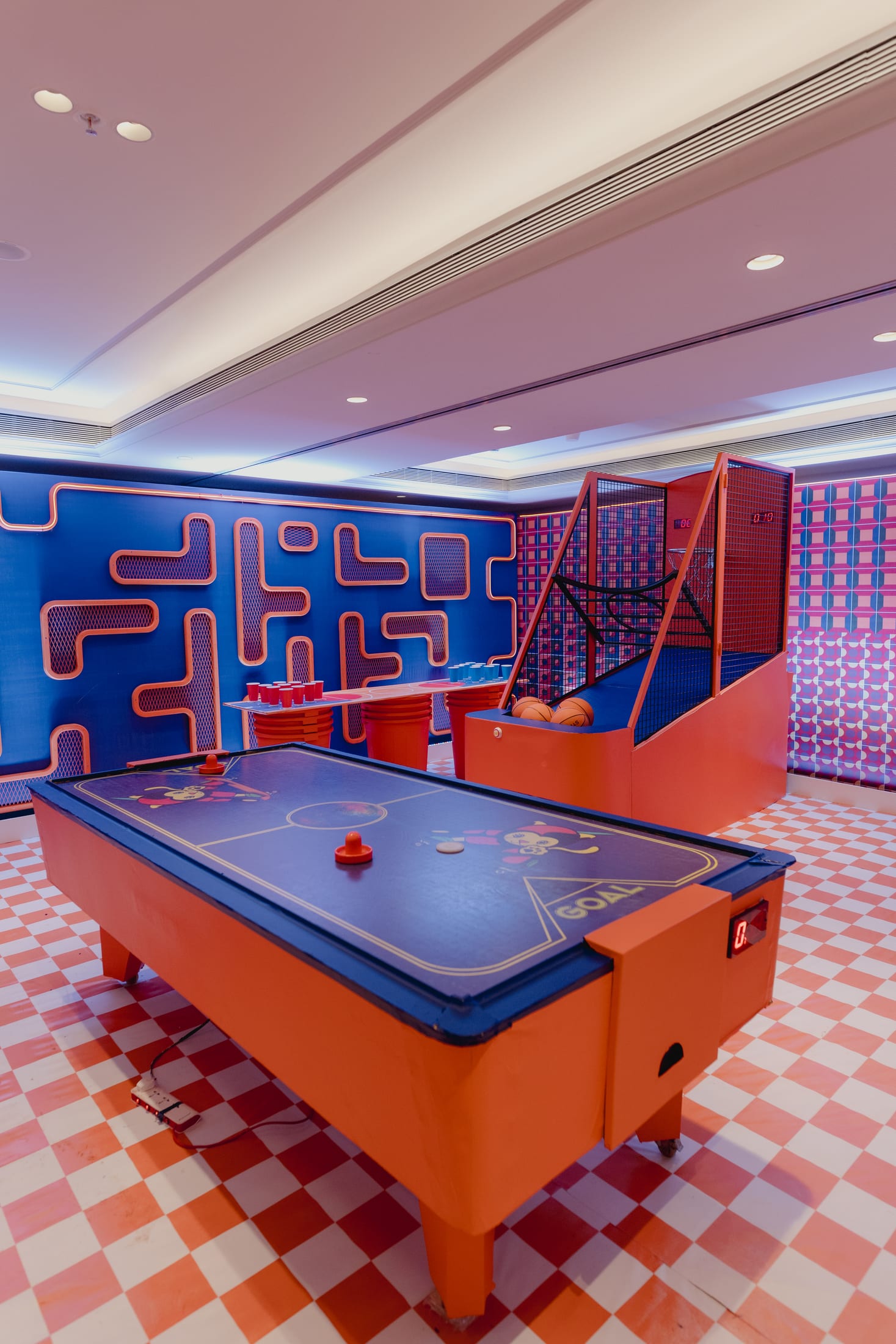
    Luxury wedding planning and production by DreamzKrraft — DreamzKrraft
    Planning and production by DreamzKrraft

    13–9 months out: design and key vendors

    With the foundation set, design begins in earnest: the visual language, décor direction, and the look of each function. Confirm the specialists that book out early — photographers, key entertainment, caterers. For destination weddings, secure room blocks and begin transport planning now.
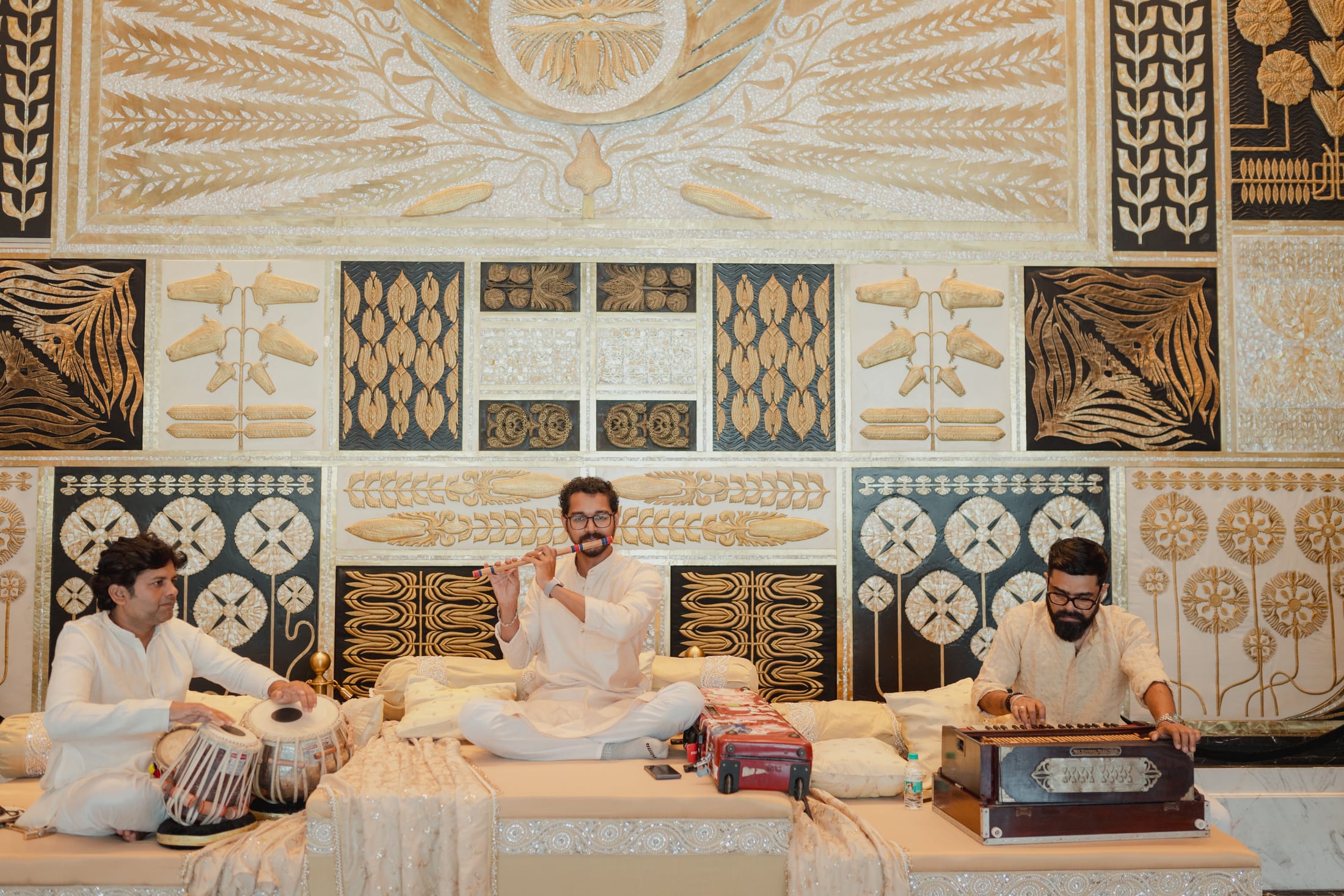
    Luxury wedding planning and production by DreamzKrraft — DreamzKrraft
    Planning and production by DreamzKrraft

    8–5 months out: production and detail

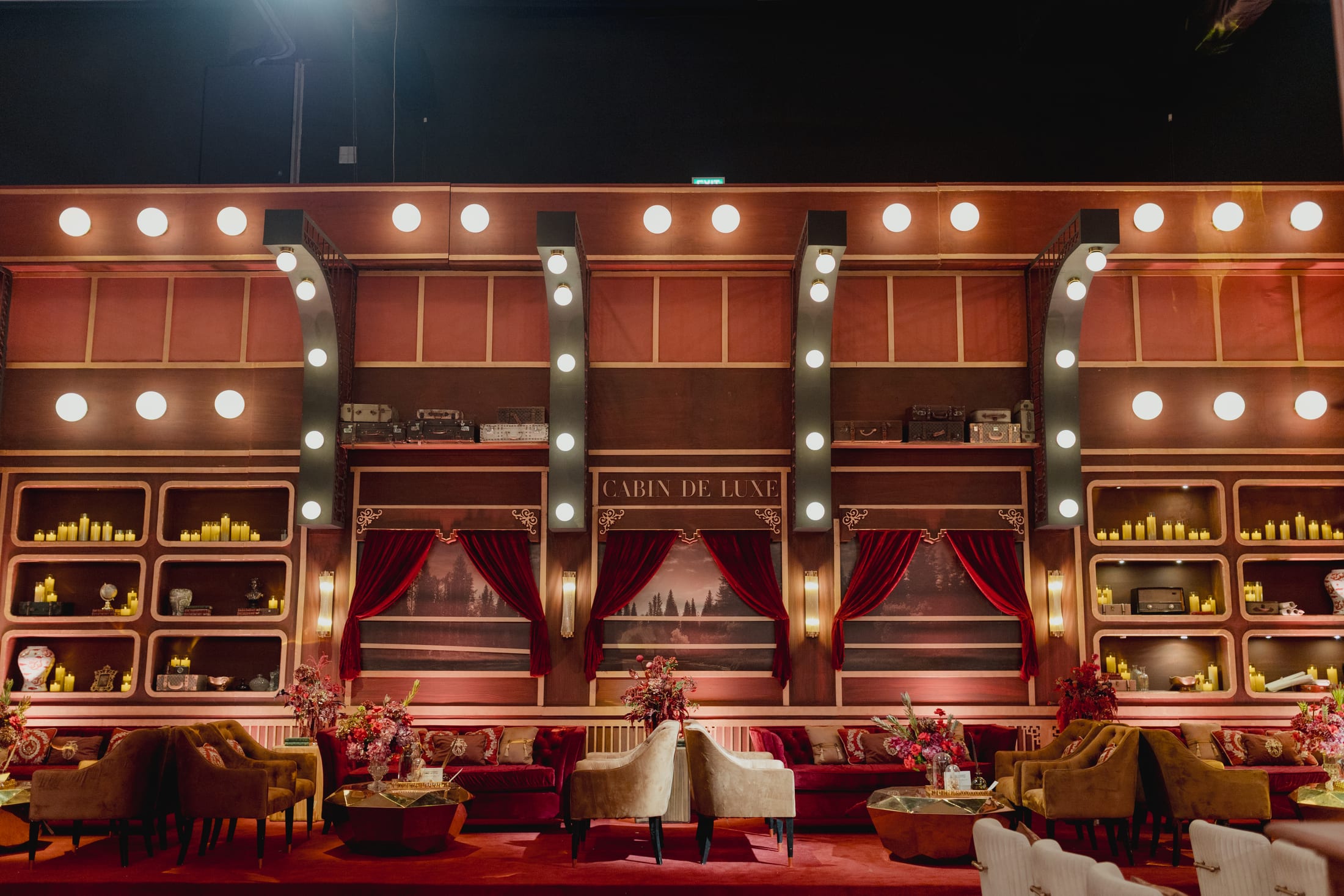
    The concept becomes buildable. Finalise floral and fabrication plans, lighting and staging design, menus and tastings, and the entertainment programme. Invitations and guest communications go out. This is where a house with in-house production — a 40+ team and a 60,000 sq.ft. warehouse — turns ideas into engineered reality.

    The luxury of great planning is that, on the day, the couple has nothing left to do but feel it.

    4–2 months out: confirmation

    Everything is pinned down: final guest numbers, seating, the master production schedule, vendor call sheets, and the hospitality plan for arriving guests. Contingency plans — weather, logistics, timing — are written now, not improvised later.

    Final month and wedding week

    The last weeks are for refinement and calm: confirmations, rehearsals, welcome experiences for early-arriving guests, and on-site build. By the wedding day itself, the couple’s only job is to be present — the team carries the rest. To plan your own timeline with us, contact our team.
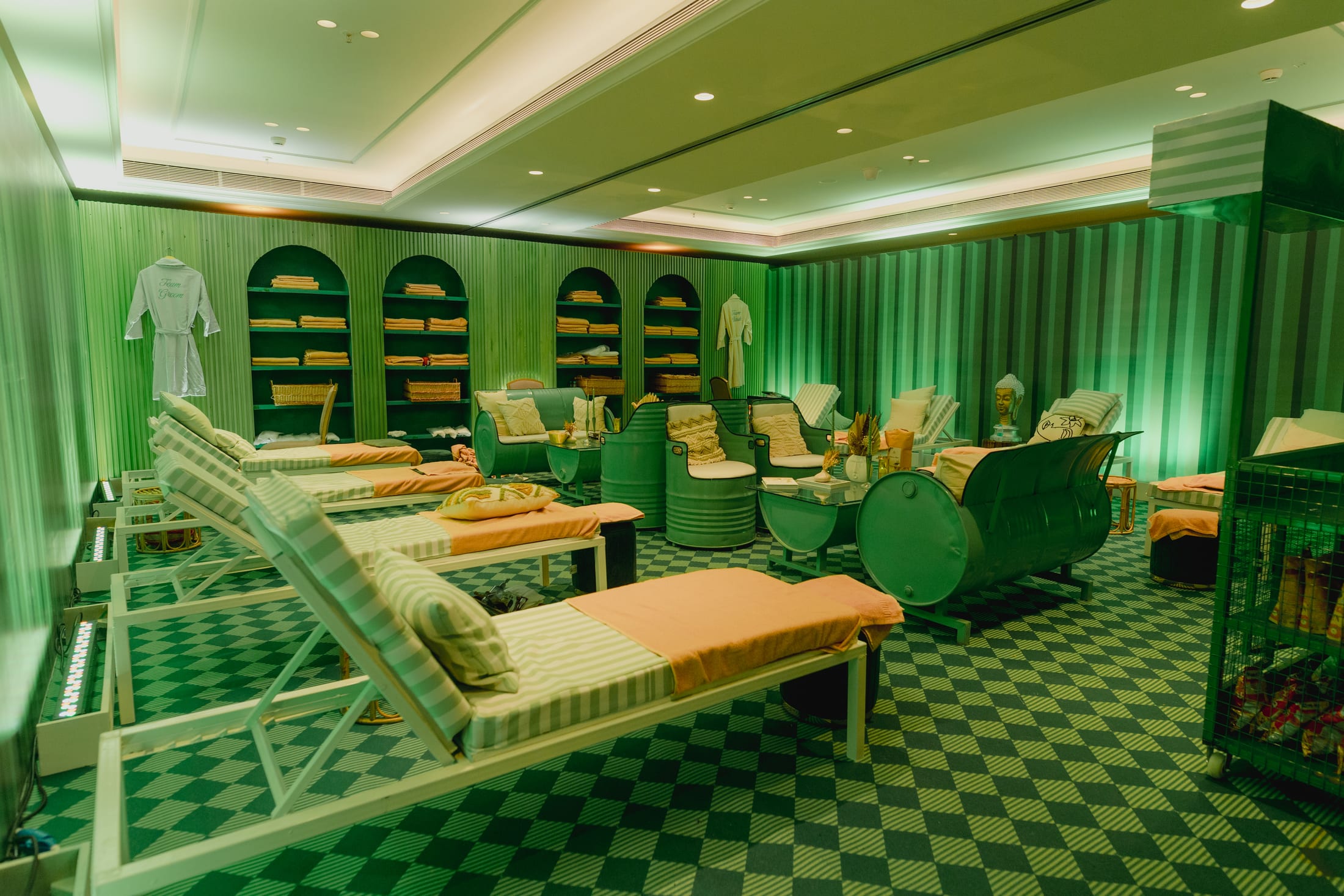
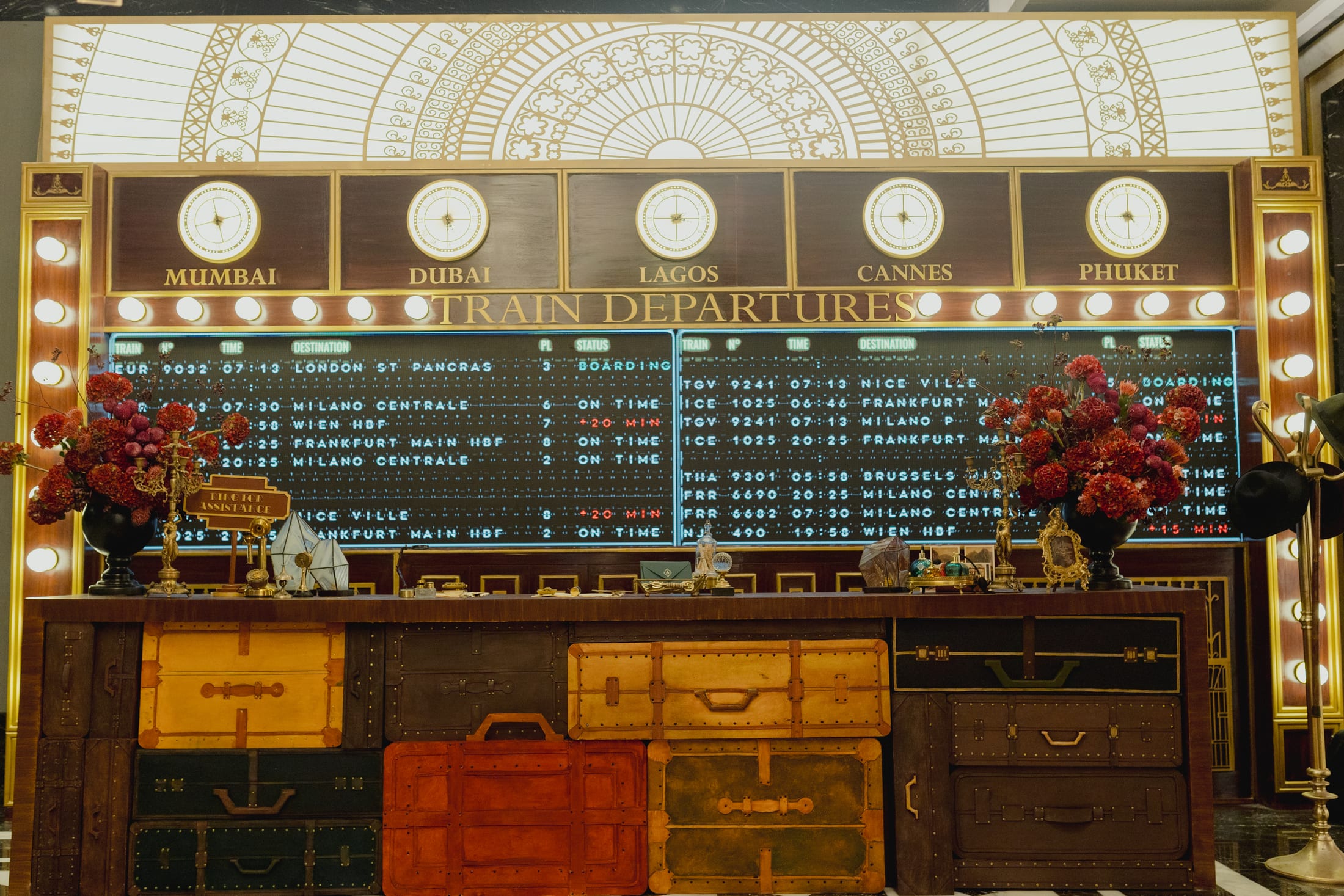
  • When Should You Hire a Wedding Planner? | DreamzKrraft India

    When Should You Hire a Wedding Planner? | DreamzKrraft India

    Right after the engagement

    The ideal moment is just after you are engaged, before any vendor is confirmed. This is when a planner can shape the wedding’s direction — its scale, season, location and feeling — rather than working within decisions already made. DreamzKrraft does its most valuable thinking in these early conversations.

    Luxury wedding planning and production by DreamzKrraft — DreamzKrraft
    Planning and production by DreamzKrraft

    Before you book the venue

    Couples often book a venue first and a planner second. It is usually the wrong order. The venue determines guest capacity, logistics, production possibilities and a large share of the budget. A planner who is involved before the venue decision can match the space to your vision — and flag the constraints a beautiful but impractical venue will impose.

    A planner is most valuable before the first big decision — not after the hard ones are already made.

    Luxury wedding planning and production by DreamzKrraft — DreamzKrraft
    Planning and production by DreamzKrraft

    18–24 months out for destination weddings

    If you are marrying abroad or at a sought-after palace, the calendar tightens fast. The best destination venues are committed 18–24 months ahead, and international logistics — room blocks, transport, permits, vendor travel — reward a long runway. Engaging a planner early is often the difference between your first-choice date and a compromise.

    The signs you have waited too long

    Decision fatigue, a spreadsheet you dread opening, vendors giving conflicting advice, a budget that keeps drifting — these are signals that the celebration has outgrown self-management. The cost of waiting is rarely just stress; it is the money lost to choices that a planner would have steered differently. When you are ready, contact our team to begin.

  • How Luxury Wedding Planning Differs from Traditional Wedding Planning

    How Luxury Wedding Planning Differs from Traditional Wedding Planning

    Coordination versus creation

    Traditional planning is, at heart, coordination: booking trusted vendors and keeping them on schedule. Luxury planning begins a step earlier, with creation — defining a concept and visual language before anything is booked. At DreamzKrraft, the wedding is designed as a world, then realised.

    Luxury wedding planning and production by DreamzKrraft — DreamzKrraft
    Planning and production by DreamzKrraft

    Eight dimensions where they part ways

    The clearest way to see the gap is dimension by dimension:

    1. Vendors: outsourced and coordinated  →  a 40+ in-house creative team.
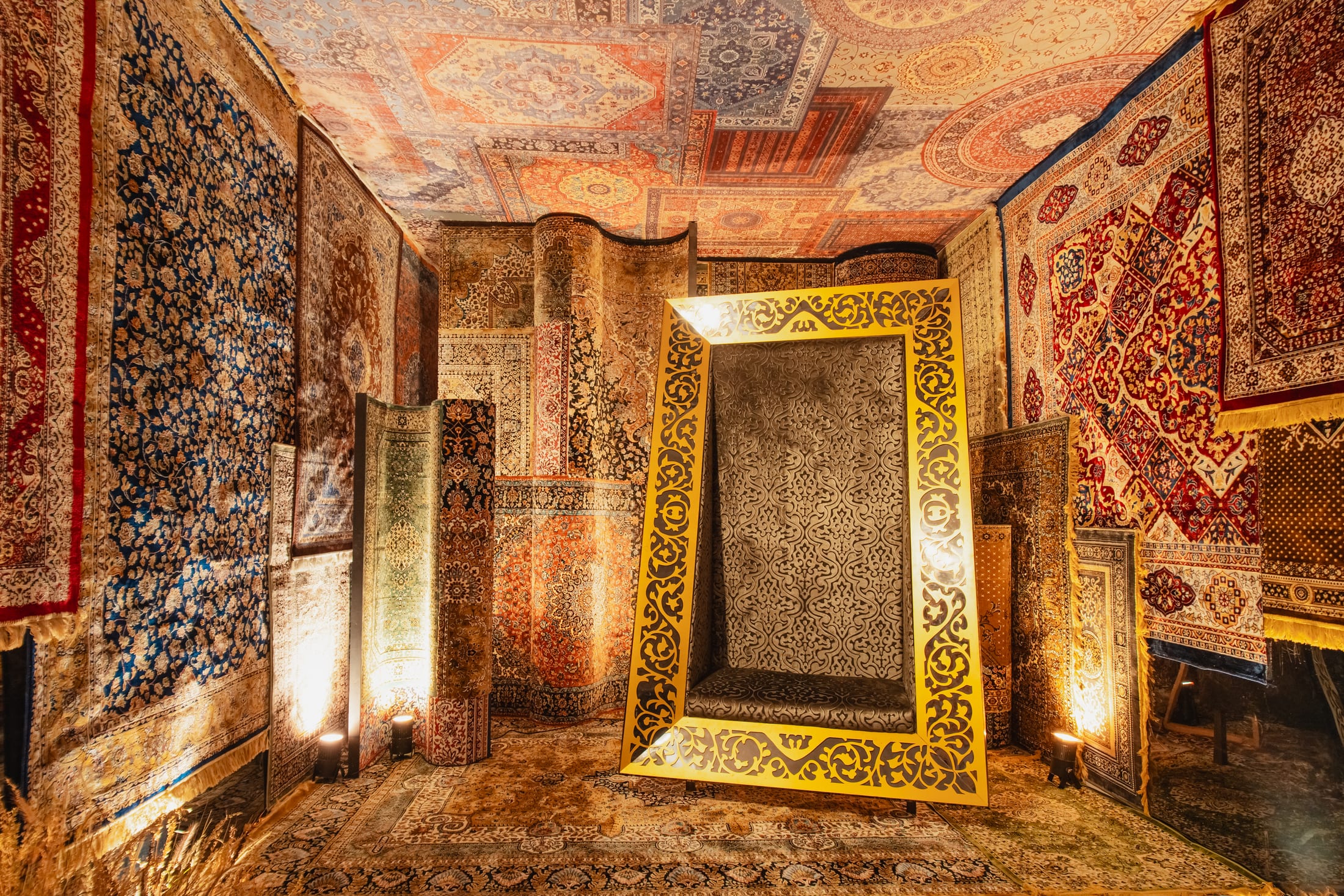
    2. Décor: rental and off-the-shelf  →  custom fabrication in a 60,000 sq.ft. warehouse.
    3. Timeline: day-of management  →  a 12–18 month design process.
    4. Scope: logistics  →  design, production, hospitality and execution.
    5. Guest experience: a guest list  →  a designed guest journey.
    6. Production: what the venue offers  →  staging and lighting built to concept.
    7. Personalisation: theme templates  →  a narrative drawn from the couple.
    8. Accountability: many contracts  →  one team, one point of contact.

    Traditional planning asks “is everything booked?” Luxury planning asks “how will every guest feel?”

    Luxury wedding planning and production by DreamzKrraft — DreamzKrraft
    Planning and production by DreamzKrraft

    Rented versus built

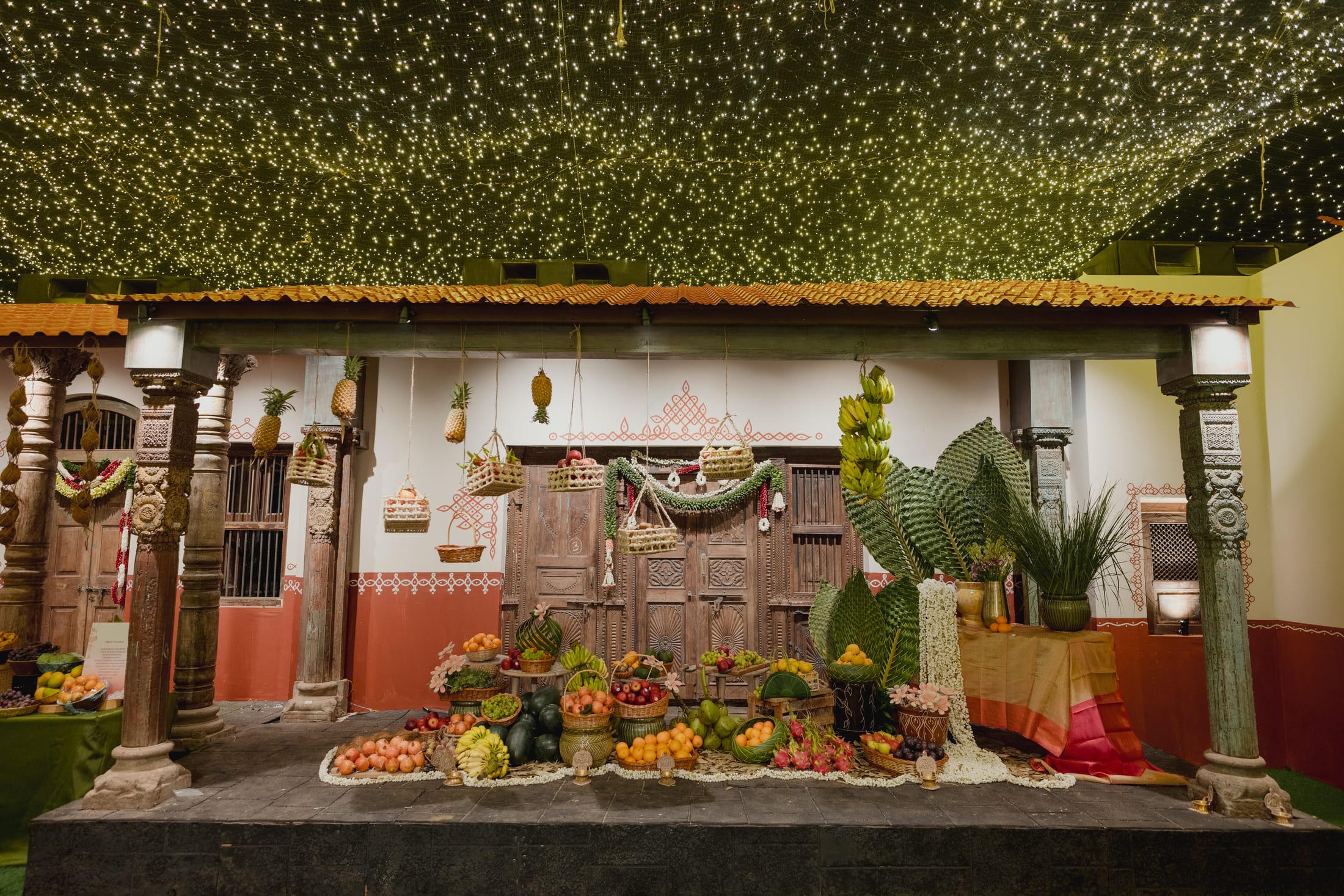
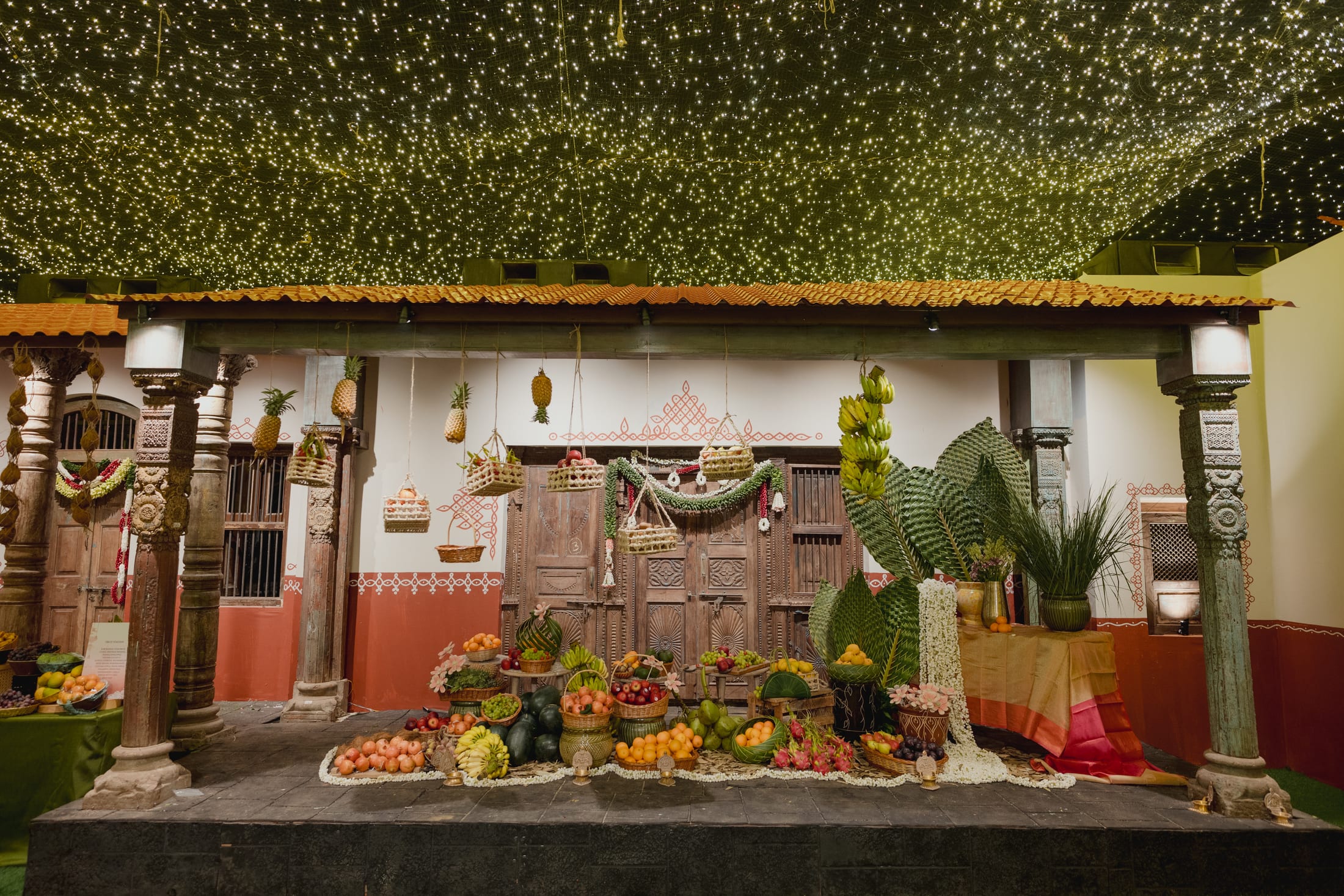
    The most visible difference is fabrication. A traditional setup draws from a catalogue of available décor; a luxury house builds to specification. For the Shetty wedding, our team recreated an entire Mangalorean temple complex — over 100,000 sq.ft., 250+ carved pillars — because the family’s story demanded it. That is not something you can rent.

    The experience, not just the event

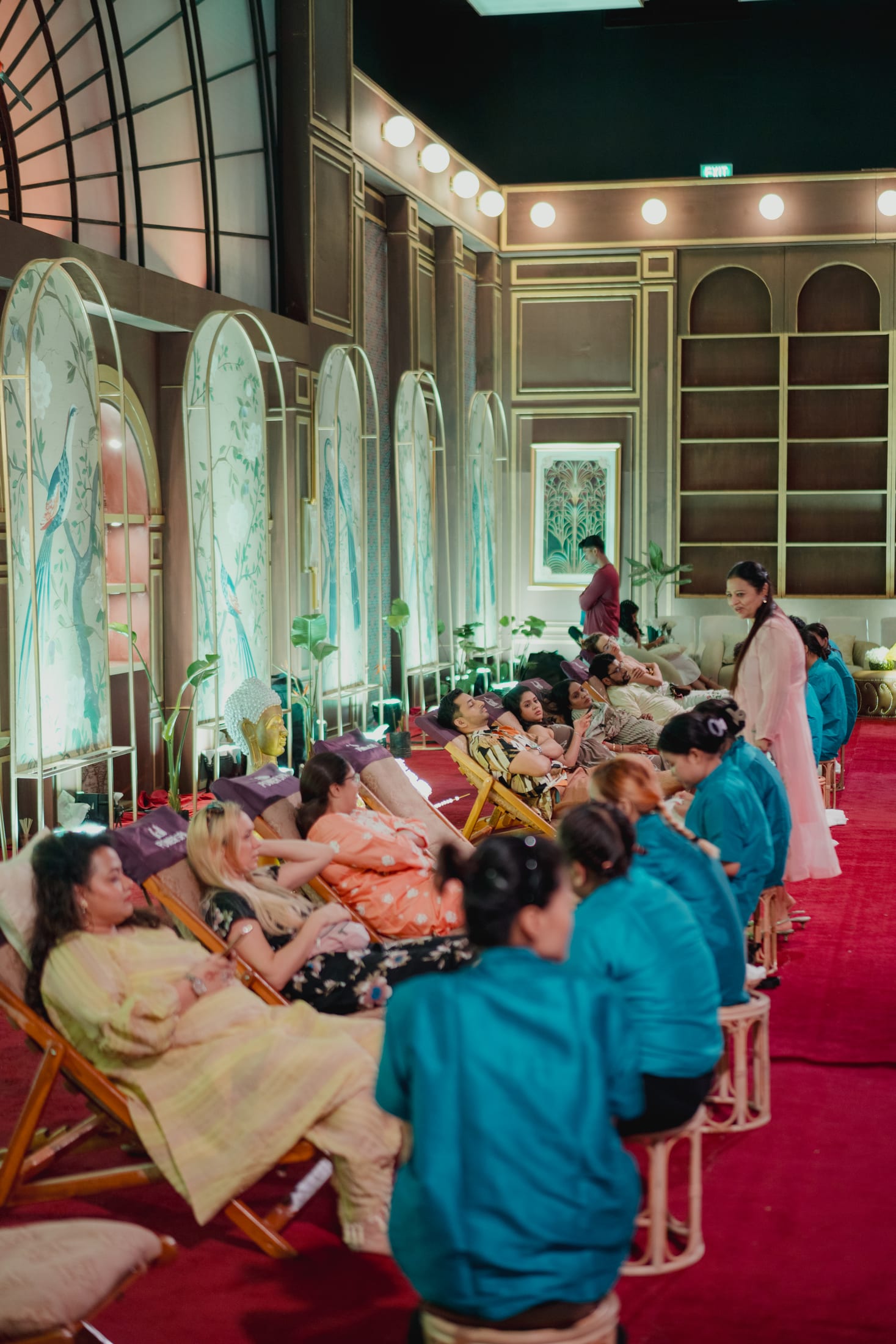
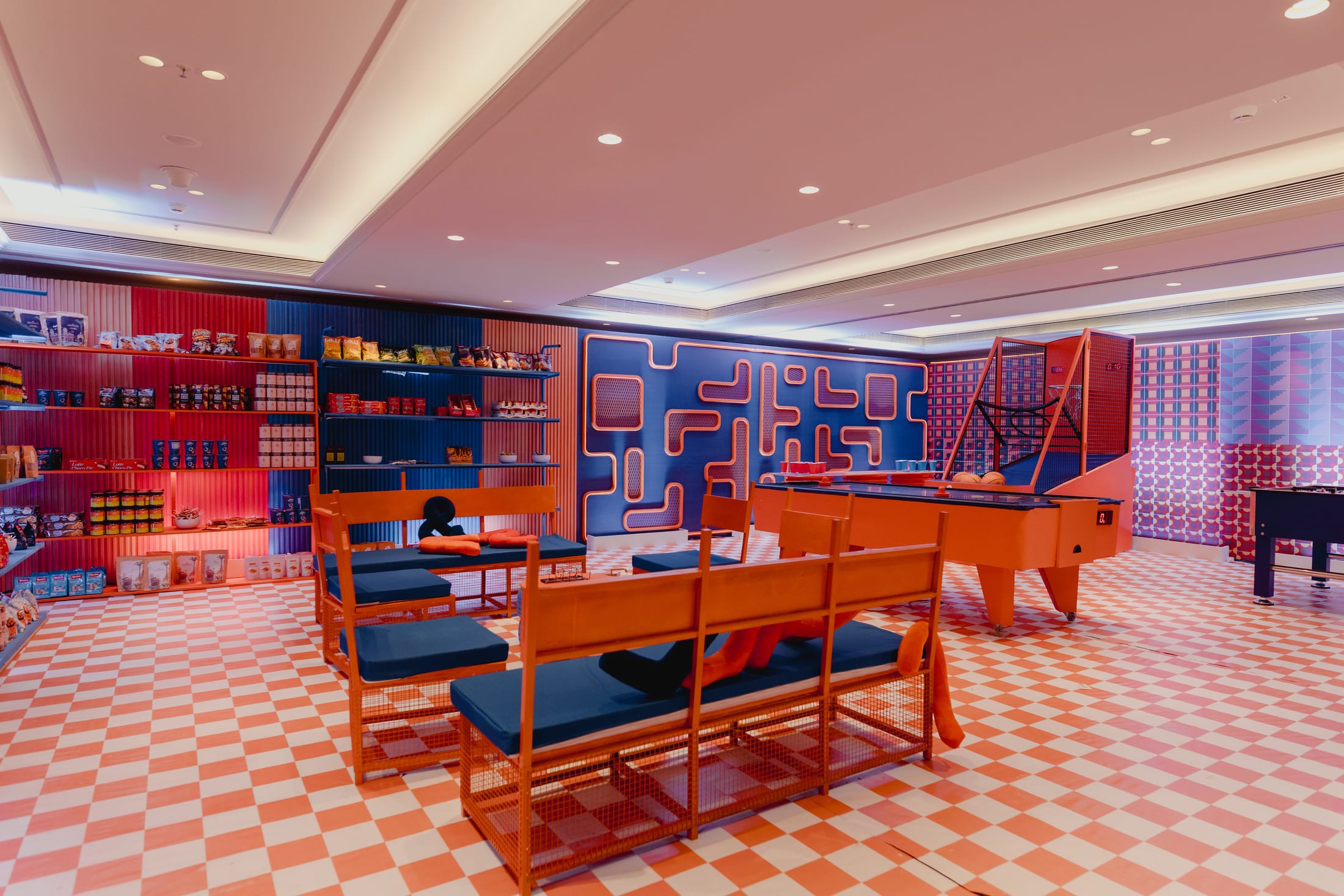
    Luxury planning treats the guest’s whole experience as the product: the welcome, the flow between functions, the food, the entertainment and the hospitality. The wedding is not only seen, it is felt — which is precisely the standard our end-to-end services are built around.

  • What Do Luxury Wedding Planners Actually Do?

    What Do Luxury Wedding Planners Actually Do?

    Creative direction comes first

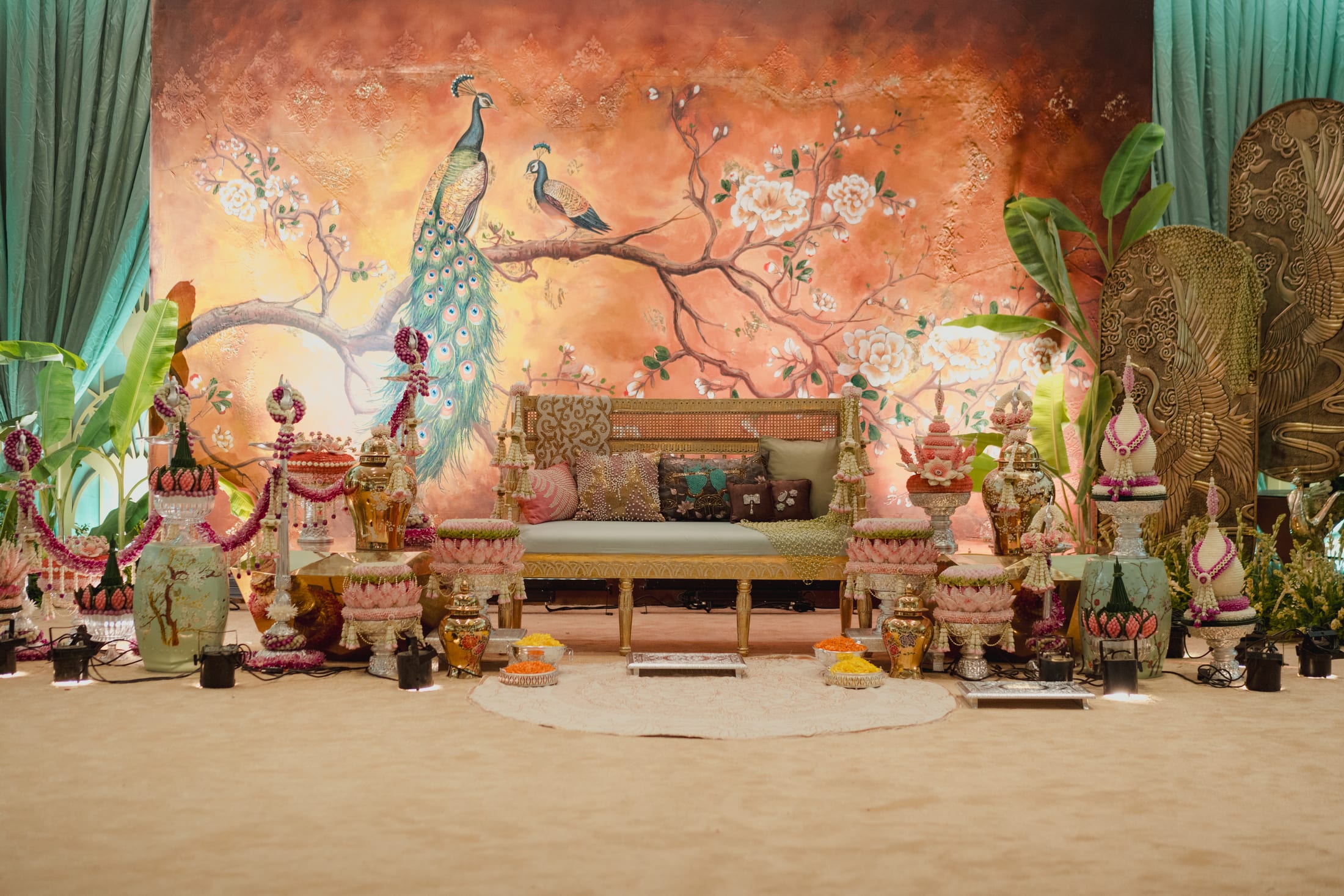
    Before a single vendor is booked, a luxury planner defines the idea of the wedding — its atmosphere, its narrative, the feeling guests should carry home. At DreamzKrraft, that instinct is inherited from cinema: our founders began in film production design, where a world is conceived before it is built. The result is a celebration that feels authored rather than assembled.

    Creative direction is what separates a beautiful wedding from a memorable one. It is the through-line that makes the mehendi, the sangeet and the wedding feel like chapters of one story instead of three unrelated parties.

    Luxury wedding planning and production by DreamzKrraft — DreamzKrraft
    Planning and production by DreamzKrraft

    Production and fabrication

    The grandest ideas mean nothing without the capacity to build them. A true luxury house owns its production: a 40+ person creative team and a 60,000 sq.ft. warehouse let us fabricate sets, mandaps and installations to exact specification rather than renting whatever is available. It is the difference between décor and architecture.

    A luxury planner does not decorate a day — they author a world and then build it, end to end.

    Luxury wedding planning and production by DreamzKrraft — DreamzKrraft
    Planning and production by DreamzKrraft

    The eight things we actually manage

    Across a typical engagement, the work resolves into eight core disciplines, each demanding its own expertise:

    1. Creative direction — the concept, narrative and visual language of the celebration.
    2. Design and décor — florals, styling, installations and bespoke fabrication.
    3. Production — staging, lighting, sound and technical delivery at scale.
    4. Vendor and partner management — curating and overseeing every specialist team.
    5. Budget stewardship — allocating spend where it creates the most felt impact.
    6. Guest experience design — arrival, hospitality, flow and personalised touches.
    7. Logistics and timelines — the master schedule that keeps everything on track.
    8. On-ground execution — flawless delivery across every function and venue.

    Guest experience and hospitality

    Modern luxury is measured less by how impressive a wedding looks and more by how every guest feels. Planners design the welcome, the wayfinding, the food and the small personal gestures that make hundreds of people feel individually considered. Our services treat hospitality as a design discipline in its own right.

    A single point of contact

    Perhaps the most underrated thing a planner does is absorb complexity. Instead of managing a dozen vendors, contracts and timelines, the couple speaks to one team that orchestrates them all — and carries the contingency planning, the late-night problem-solving and the on-site command so the family never has to. To understand what that looks like for your wedding, contact our team.