Quick Answer
The most memorable weddings are not the most expensive ones — they are the ones that say something true about the couple. Narrative-driven design turns a celebration into a story, and that is the art at the centre of every DreamzKrraft wedding.
Key Takeaways
- The couple’s story is the design brief.
- Cultural heritage becomes a visual language.
- Each function tells a different chapter of one story.
- The Shetty wedding turned family heritage into built architecture.
The couple is the brief
Storytelling begins by listening. Before any aesthetic is chosen, we look for the narrative — how the couple met, what their families hold dear, the moments that define them. That story becomes the brief, and every design decision answers to it.
Heritage as a visual language
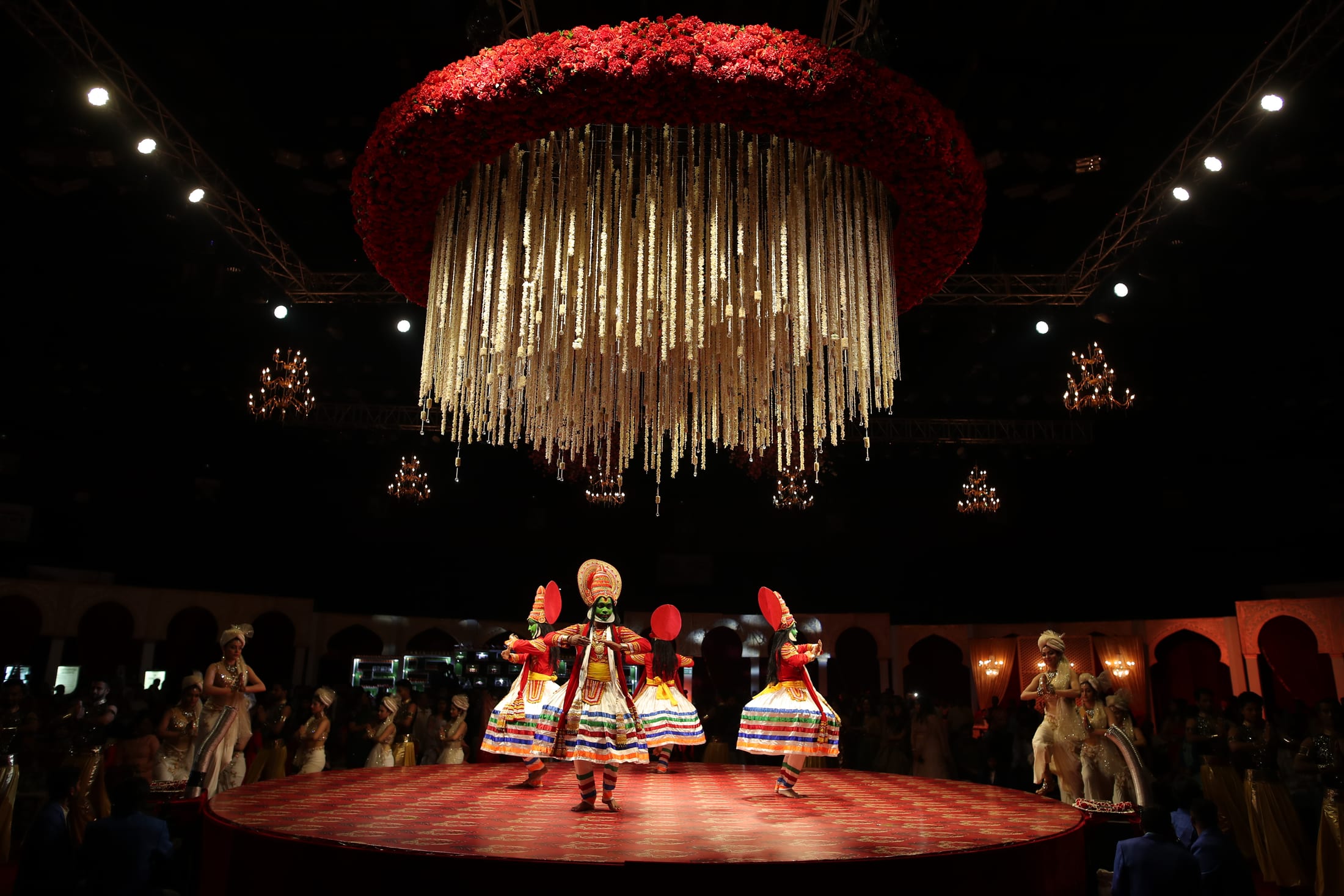
Culture gives a wedding its deepest vocabulary. For the Shetty family, that meant recreating Mangalorean temple architecture in full — a dream the groom’s mother, Mrs Arathi Shetty, had long held for her son’s wedding. Heritage was not a decorative motif; it was the entire world the celebration lived inside.
The best décor is not the most beautiful — it is the most true to the people standing inside it.
Every function, a new chapter
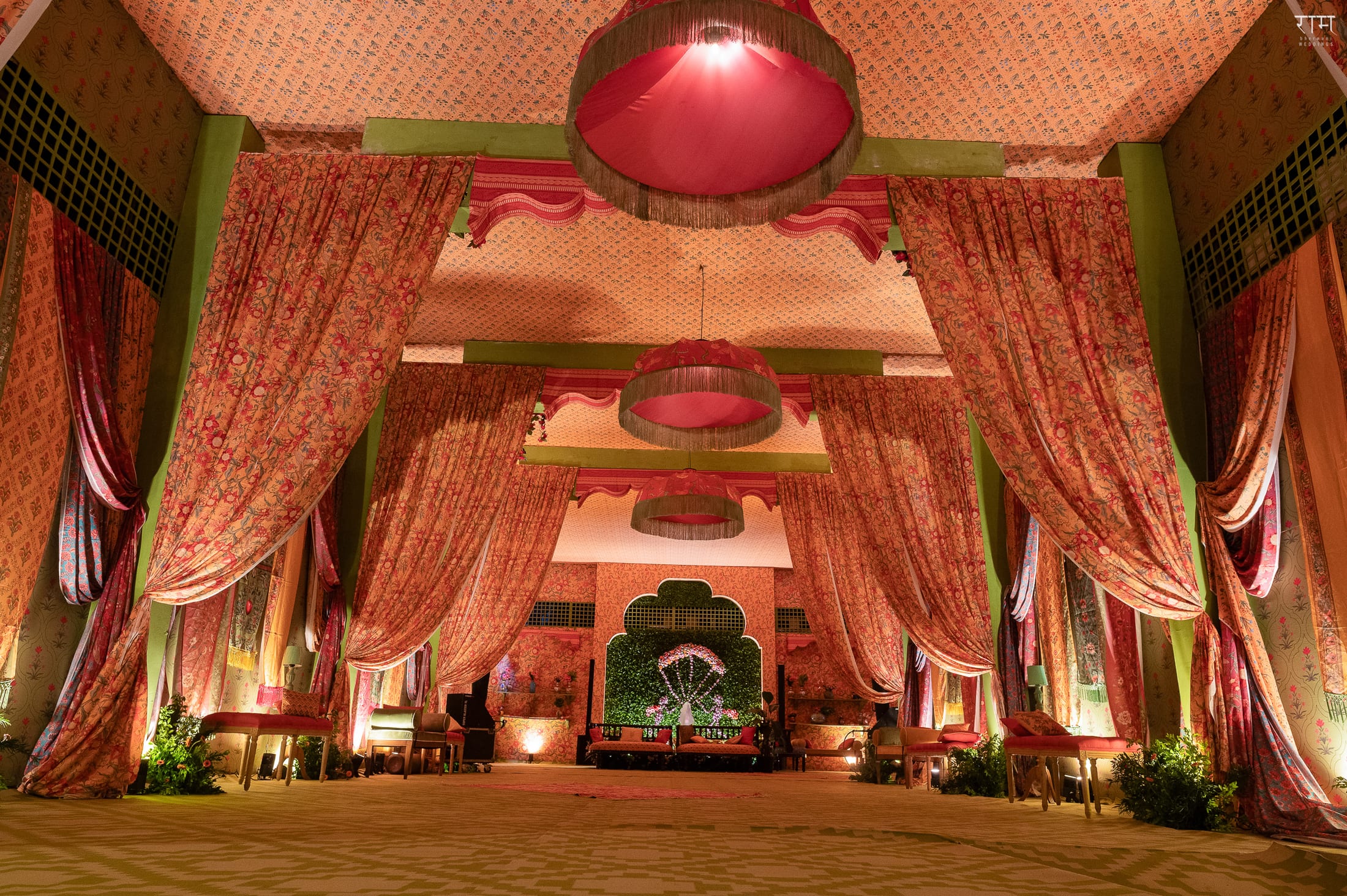
A great wedding narrative unfolds across its events. The same Shetty celebration welcomed guests into a world inspired by Malgudi Days — live tabla, flute and sitar, hostesses with fragrant malas, coconut water and cinnamon coffee on banana-leaf trays — so that each function read as a distinct chapter of one continuous story.
Why story outlasts spectacle
Spectacle fades from memory; story does not. A wedding built around a genuine narrative feels personal to the couple and meaningful to their guests — which is exactly what our design team sets out to create. To tell your story through design, contact our team.