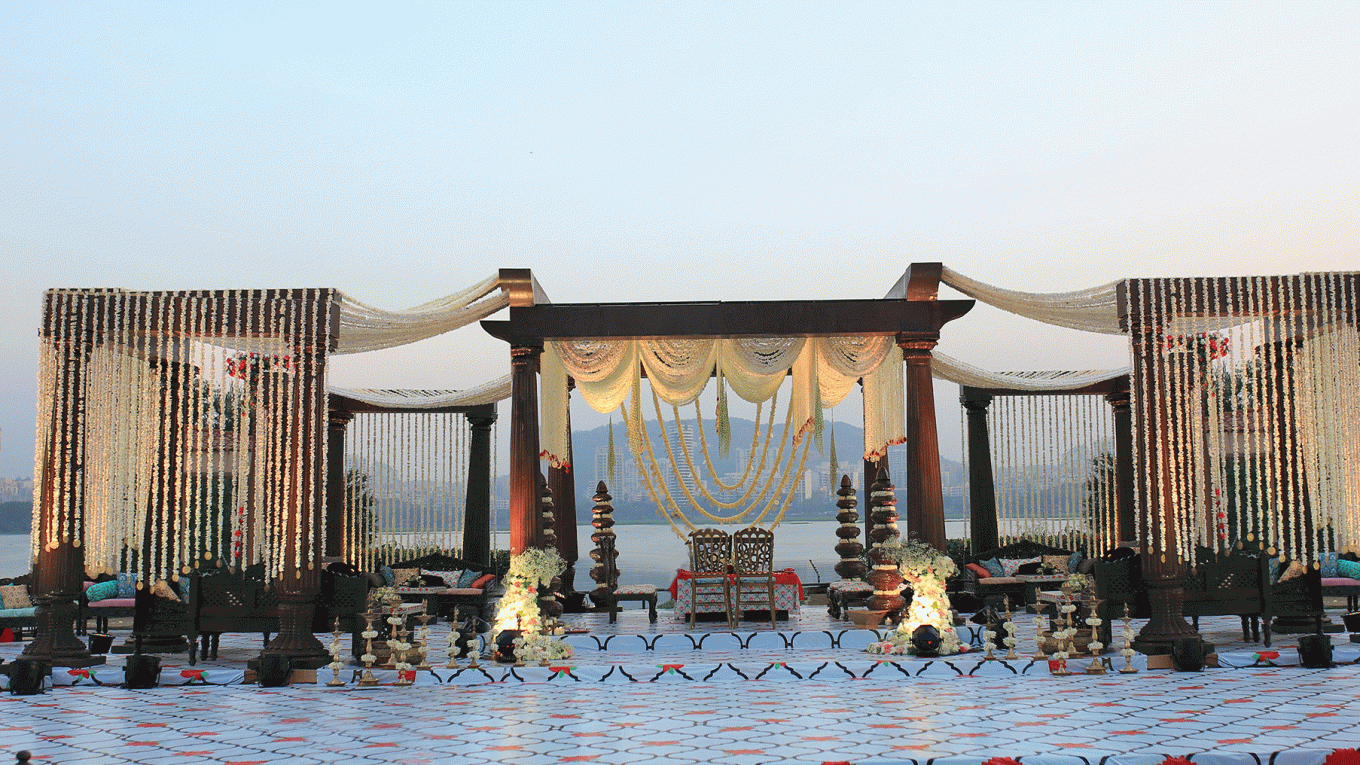
Category: Articles

  • What Do Luxury Wedding Planners Actually Do?

    What Do Luxury Wedding Planners Actually Do?

    You have a venue, a wedding date, a Pinterest board full of ideas and probably a spreadsheet that started out as a simple guest list but has somehow become the centre of your life. Then someone suggests hiring a wedding planner. The obvious question follows: what exactly are you paying them to do?

    After all, you can find photographers online, speak to decorators yourself, negotiate with hotels and create a timeline. So why bring another person into the process? The answer becomes clear when you realise that a wedding is not one event. It is hundreds of decisions, people and moving parts that have to work together at exactly the right time.

    That is where luxury wedding planning becomes very different from simply organising a wedding. The planner isn’t just checking whether something has been booked. They are looking at the entire experience and making sure every decision contributes to it.

    It Starts With Understanding What You Actually Want

    Most couples don’t begin with a complete wedding concept. They usually have fragments of ideas – a venue they love, a particular kind of décor, a performance they want, a colour palette saved on Instagram or perhaps just a feeling they want the wedding to have.

    A planner’s job is to take those fragments and turn them into something coherent. Maybe you want your wedding to feel luxurious without being flashy, traditional without looking predictable, or grand while still feeling personal. Those decisions eventually influence everything from the venue and décor to the entertainment, food and guest experience.

    This is why the first conversations with a planner can be more important than they seem. Before anyone starts discussing flowers or stage designs, they need to understand the couple behind the wedding.

    Choosing a Venue Is More Complicated Than Finding a Beautiful One

    A venue can look perfect online and still be completely unsuitable once the actual planning begins. Does it have enough rooms for your guests? Can vendors access the property easily? Is there enough space for the production you have in mind? What happens if an outdoor ceremony gets interrupted by rain?

    These are questions couples don’t always think about when they first fall in love with a property. A planner looks at the venue from an operational perspective as well as a creative one. They are already imagining where guests will arrive, how they will move between functions, where vendors will set up and how the different events can use the property without feeling repetitive.

    A good venue should not just look beautiful in photographs. It should make the wedding easier to execute and better to experience. Even seemingly small considerations can have a major impact later, which is why these venue hacks can be useful before making that final decision.

    Your Pinterest Board Needs Someone to Make Sense of It

    This is one of the more creative parts of planning. You may have saved ten different weddings because you liked something about each one, but that doesn’t mean all ten ideas belong together.

    A planner looks for the common thread. Perhaps you’re consistently drawn to warm lighting, understated florals and spaces that feel intimate rather than overly decorated. Or maybe you love dramatic installations and want each event to have a completely different visual identity. Once that pattern is recognised, the ideas can be shaped into a wedding that feels intentional rather than assembled from references.

    The goal isn’t to copy something you saw online. It is to understand why you liked it and reinterpret that feeling for your own wedding.

    Then Comes the Part Most Guests Never See

    A luxury wedding can involve an enormous team. There are decorators, caterers, photographers, entertainers, makeup artists, production crews, lighting technicians, sound engineers, transportation teams and venue staff. Each of them has their own schedule, requirements and priorities.

    Someone has to make all of those people work together.

    Imagine the photographer needs another twenty minutes for portraits, the caterer is ready to begin dinner and the entertainment team is waiting for the stage. None of those teams is necessarily doing anything wrong, but their schedules are suddenly competing with each other. The planner has to make a decision that keeps the evening moving without making the couple feel rushed.

    That coordination is one of the biggest parts of the job. And sometimes, the best planning is the planning you never notice because the problem was resolved before it reached you.

    There is a reason experienced planners spend so much time thinking about contingency plans. The situations they handle can range from delayed vendors and weather changes to transportation problems and technical issues. These wedding disasters planners fix give you a good idea of just how much can happen behind the scenes.

    Why Doesn’t Every Wedding Function Look the Same?


    When a wedding unfolds over two or three days, each celebration should have a personality of its own. A welcome dinner, mehendi, sangeet, ceremony and reception need not feel like variations of the same event. Giving each function its own atmosphere, décor and sense of occasion allows the celebrations to feel more considered, while making the wedding as a whole more memorable.

    A planner can create a sense of progression. The welcome dinner might be relaxed and conversational, while the mehendi is colourful and energetic. The sangeet can become the big entertainment moment, followed by a more elegant and emotional wedding ceremony. The reception can then take the celebration in a completely different direction.

    The idea isn’t to make every function bigger than the last. It is to give each one a reason to exist.

    That is where planning becomes storytelling.

    The Guest Experience Is Part of the Wedding

    When you’re getting married, it is easy to think almost entirely about the ceremony and the celebrations themselves. A planner has to think about everything surrounding them.

    How does a guest get from the airport to the hotel? How do they know where to go when they arrive? What happens between two events? Can older guests move around comfortably? What happens when someone arrives late? Are dietary requirements being handled properly?

    These details rarely become the subject of an Instagram post, but they are often what make guests remember a wedding as exceptionally well organised.

    Luxury is not always about adding something impressive. Sometimes it is simply removing the little inconveniences that guests would otherwise have to deal with themselves.

    They Also Help You Decide Where Your Money Should Go

    A larger budget does not automatically create a more luxurious wedding. In fact, one of the most useful things a planner can do is help you decide where not to spend.

    You could put money into an enormous floral installation that guests walk past in thirty seconds, or you could invest in lighting that completely changes the atmosphere of an entire evening. You could spend heavily on décor for every function, or create one exceptional setting and keep the other events intentionally understated.

    A planner’s experience helps identify those trade-offs.

    Some of the decisions they might help with include:

    • Which vendors are worth paying a premium for
    • Where décor will have the biggest visual impact
    • Which production elements are actually necessary
    • Where the venue itself can do the visual work
    • Which guest experiences deserve additional attention
    • Where unexpected costs are likely to appear

    The objective isn’t simply to spend less. It is to make sure the money you spend contributes to the wedding you actually want.

    And Then There Is the Wedding Day Itself

    This is when the months of planning are finally tested.

    On the day itself, you should not be checking whether the caterer has arrived or wondering why the baraat hasn’t moved. You shouldn’t be answering vendor calls while getting ready or trying to figure out where a missing guest is supposed to go.

    Someone else should be handling those things.

    The planner becomes the central point of contact for the vendors, venue and family teams. If something changes, they adjust the plan. If something goes wrong, they decide how to handle it. If a supplier needs an answer, they know who to speak to.

    That means you can actually be present in the moment

    .

    You can sit with your parents. You can talk to your friends. You can eat the food you spent months selecting. You can watch the performance you helped plan instead of worrying about whether the next event will start on time.

    For many couples, that is the most valuable part of hiring a planner.

    Luxury Wedding Planning vs Traditional Wedding Planning

    The difference isn’t simply that one wedding costs more than the other. A traditional wedding can be beautifully organised and incredibly memorable. The distinction usually lies in the level of involvement, personalisation and complexity.

    Traditional planning may focus on getting the essential pieces organised and executed. Luxury planning tends to go further into creative direction, detailed guest experience, vendor curation, production and the relationship between every individual event.

    Traditional Wedding PlanningLuxury Wedding Planning
    Focuses on coordinationFocuses on the overall experience
    Vendor booking and managementCurated vendor selection and management
    Venue selectionVenue strategy and feasibility
    Décor executionCreative design direction
    Standard event timelinesExperience-led scheduling
    Basic guest logisticsDetailed guest hospitality
    Budget trackingStrategic budget allocation
    Problem solvingPreventive planning
    Event executionCreative direction and execution

    Neither approach is automatically right or wrong. If you’re having a small wedding with a limited number of vendors, you may be perfectly comfortable managing much of it yourself. But when you add several functions, hundreds of guests, destination travel, custom décor and large-scale production, the number of things that need to happen simultaneously grows very quickly.

    What Couples Don’t Usually Realise About Planning

    Consider something as simple as saying, “We want fireworks after the ceremony.”

    For the couple, that is one decision. For the planning team, it creates another chain of decisions. They need to think about venue permissions, setup, safety, guest positioning, timing, sound, photography and what happens if the ceremony runs late.

    The same thing happens with almost every detail of a large wedding. A beautiful idea is only the beginning. Someone has to figure out how that idea can actually happen without disrupting everything around it.

    That’s why experience matters so much.

    A planner who has done this before knows which details deserve attention immediately and which problems can be quietly absorbed without affecting the couple.

    What Should You Expect From a Luxury Wedding Planner?

    The exact scope depends on the planner, but a comprehensive planning team may be involved in everything from the initial concept to the final guest departure.

    This can include:

    • Venue research and selection
    • Budget planning
    • Vendor sourcing and negotiations
    • Wedding design and décor
    • Guest accommodation
    • Transportation
    • Entertainment and artist coordination
    • Production and technical requirements
    • Event timelines
    • Hospitality
    • On-ground execution
    • Contingency planning

    The important thing is that these aren’t isolated tasks. They are connected.

    The venue affects the décor. The décor affects production. Production affects the timeline. The timeline affects catering and entertainment. Guest movement affects all of them.

    The planner is the person keeping those connections intact.

    When Does Hiring a Planner Actually Make Sense?

    A large wedding budget does not automatically mean you need a luxury wedding planner. The more useful question is how complex the celebration is becoming. With multiple functions, different venues, detailed décor requirements and a long list of moving parts, the right planning support can make all the difference.

    If you’re hosting multiple functions, inviting guests from different cities, planning a destination wedding, working with several specialist vendors or creating a highly customised experience, professional planning can make a significant difference.

    It is also worth considering how much of the planning you actually want to own yourself.

    If you enjoy spreadsheets, vendor calls and negotiations, you may want to remain heavily involved. If you would rather focus on the creative decisions and leave the operational side to someone else, a planner can take that weight off your shoulders.

    And if you are considering hiring one, going into the first conversation prepared can make a difference. Knowing what to ask your planner can help you understand their approach before you commit.


    Frequently Asked Questions

    Do luxury wedding planners make all the decisions for the couple?

    No. A good planner should guide the couple rather than take over the wedding. They bring experience and recommendations to the table, while the couple remains involved in the decisions that shape the celebration.

    Can a planner work with vendors I’ve already booked?

    In many cases, yes. If you have already booked your venue, photographer or another vendor, the planner can often build the rest of the planning process around those existing commitments.

    Is hiring a planner useful for a destination wedding?

    It can be particularly useful because destination weddings involve additional layers such as travel, accommodation, transportation, local vendors and guest hospitality. Having one team coordinate those details can make the experience considerably easier.

    What happens if something goes wrong during the wedding?

    The planner assesses the situation, decides what needs immediate attention and coordinates the relevant people to resolve it. The goal is to prevent a small issue from becoming something the couple or guests have to deal with.

    Can a planner help if I already know exactly what I want?

    Absolutely. In fact, having a clear vision can make the process easier. The planner’s role is then to translate that vision into a workable plan and find the right people to execute it.

    Is luxury wedding planning only about décor?

    Not at all. Décor is only one visible part of the process. Planning can also cover venue strategy, budgeting, vendor management, guest experience, production, transportation, entertainment and the overall flow of the celebration.

    How early should you hire a wedding planner?

    There is no universal timeline, but involving a planner early gives them more opportunity to influence major decisions such as the venue, budget and creative direction. Waiting until everything is booked limits what they can realistically change.

    What is the biggest sign of a good wedding planner?

    Look at how they think, not just how their weddings look. A strong portfolio shows their creative ability, but their communication, planning process, problem-solving approach and understanding of your priorities will tell you much more about what working with them will actually be like.

    The Real Luxury Is Being Present

    The most valuable thing a wedding planner provides may not be something you can see.

    It is the ability to arrive at your wedding and not immediately start thinking about what needs to happen next.

    Someone else knows when the vendors are arriving. Someone else knows whether the entertainment is ready. Someone else has the backup plan if the weather changes. Someone else is answering the questions that would otherwise reach you.

    You get to be with your people.

    You get to enjoy the food, hear the speeches, dance at your own reception and actually notice the little moments you spent months planning.

    That is what luxury wedding planning is really about.

    Not making the wedding look effortless, but making it feel effortless for the people who matter most.
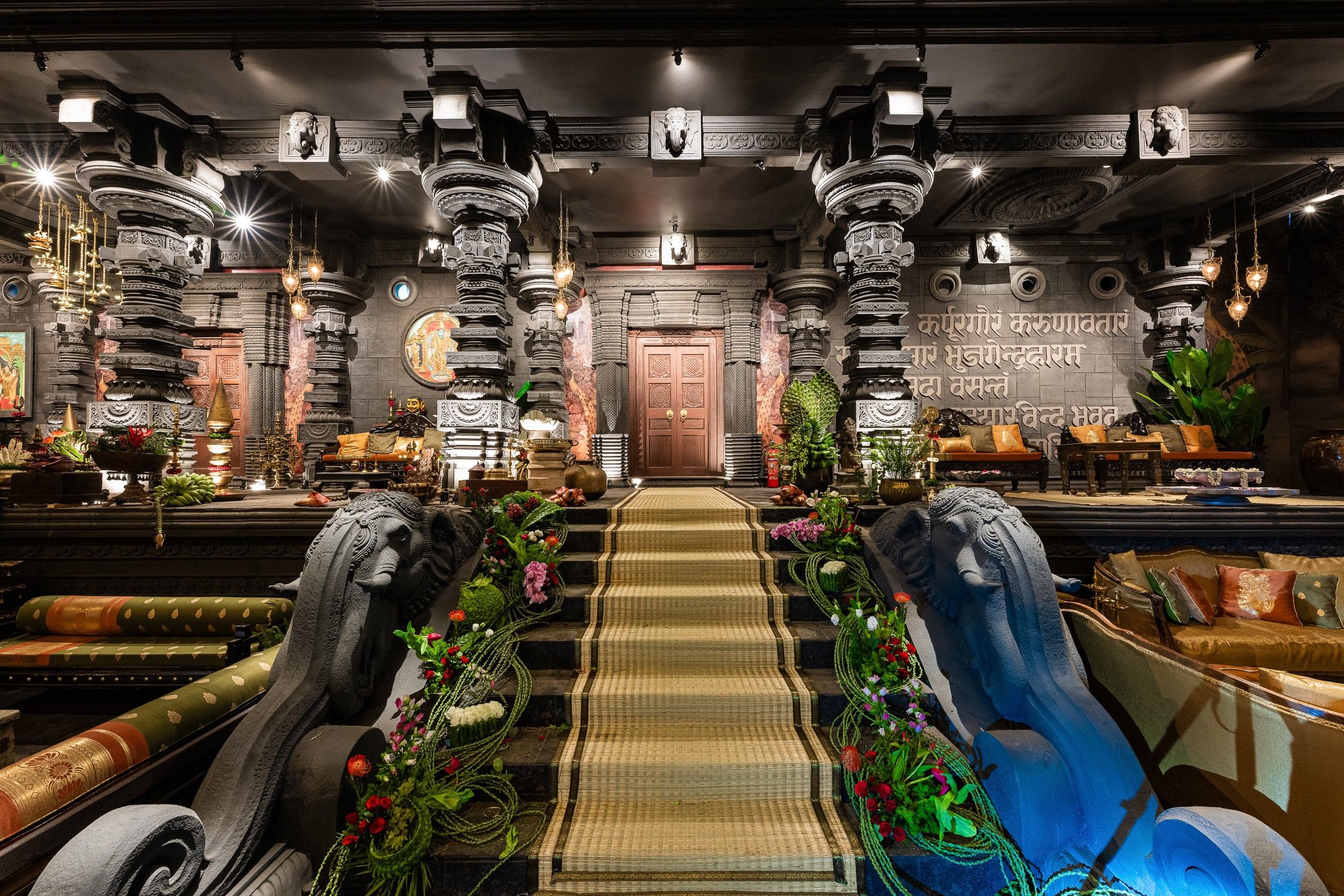
  • From Film Sets to Luxury Weddings: How DreamzKrraft Brings Production Thinking to Celebrations

    From Film Sets to Luxury Weddings: How DreamzKrraft Brings Production Thinking to Celebrations

    A luxury wedding is not created on the day of the celebration. It is conceived, designed and meticulously produced long before the first guest arrives.

    Behind an extraordinary celebration is a carefully orchestrated world. The venue, the spatial design, the décor, the lighting, the movement of guests, the entertainment, the transitions and the many details that remain unseen but define how the experience feels.

    For DreamzKrraft, this understanding comes from a background deeply rooted in production.

    The connection between film and weddings is not about recreating the drama of a film set. It is about bringing the same discipline of storytelling, scale, visual direction and production excellence to a celebration that is deeply personal.

    A wedding, much like a film, has a beginning, a progression and a finale.

    And every chapter needs to feel intentional.

    Where Film Production Meets Luxury Wedding Planning

    A film set is never simply a collection of beautiful elements. Every detail exists within a larger creative vision.

    The architecture establishes the world. The set design creates context. Lighting shapes atmosphere. Movement gives the scene rhythm. Production brings every element together at precisely the right moment.

    Luxury weddings require that same level of consideration.

    At DreamzKrraft, the approach begins with looking at the celebration as a complete experience rather than a series of individual décor elements.

    This means considering:

    • The architectural character of the venue and how it can influence the design direction.
    • The scale of the celebration and how the environment needs to respond to the guest count.
    • The movement of guests through different spaces and functions.
    • The transition between events, particularly across multi-day celebrations.
    • The relationship between décor, lighting, entertainment and spatial design.
    • The practical execution behind every creative idea.

    The result is a celebration where design and production exist seamlessly alongside one another.

    From a Creative Vision to a Fully Realised Celebration

    Every wedding begins with a vision.

    It may be inspired by a destination, a particular aesthetic, an architectural detail, a colour palette or simply the atmosphere a couple wants their guests to experience.

    But a luxury wedding cannot exist only as a beautiful moodboard.

    The creative direction has to translate into a physical experience — one that works within the venue, accommodates the guest list and can be executed with precision.

    At DreamzKrraft, this is where creative thinking meets production expertise.

    Before a concept becomes a finished environment, the team considers:

    • How the design interacts with the existing venue.
    • Which elements should be built specifically for the celebration.
    • How the scale of installations will work within the space.
    • How guests will experience the environment from the moment they arrive.
    • How one function will transition into the next.
    • How the creative vision can be executed without compromising its original intent.

    This attention to detail is what allows an ambitious concept to become a sophisticated, fully realised celebration.

    Designing Every Function as a Distinct Chapter

    A multi-day wedding offers something unique: the opportunity to create several different worlds within one celebration.

    The welcome dinner does not need to feel like the sangeet. The sangeet does not need to resemble the wedding ceremony. And the reception can take on an entirely different visual identity.

    At DreamzKrraft, every function is considered as an individual chapter within the larger wedding narrative.

    For example:

    • A welcome celebration can establish the visual language and introduce guests to the destination.
    • A mehendi can take on a more relaxed, intimate and vibrant character.
    • A sangeet can become more theatrical, energetic and production-led.
    • The wedding ceremony can move towards a softer, more ceremonial atmosphere.
    • A reception can introduce a refined, contemporary visual language to close the celebrations.

    The design changes, but the story remains connected.

    This is what gives a multi-day wedding a sense of progression rather than repetition.

    The Production Behind the Luxury

    What guests experience as effortless is often the result of meticulous production happening behind the scenes.

    A luxury wedding may involve custom fabrication, extensive décor installation, technical production, multiple vendors and carefully managed timelines — all of which need to come together without disrupting the guest experience.

    This is where DreamzKrraft’s production expertise becomes particularly valuable.

    The team considers the complete journey of every major element:

    Concept → Design → Fabrication → Logistics → Installation → Execution → Transformation

    A bespoke installation, for instance, is not simply designed for visual impact. Its proportions, materials, fabrication requirements, transportation, installation time and relationship with the venue all need to be considered.

    Similarly, a ballroom may need to transform completely between functions, requiring the production team to plan the transition as carefully as the event itself.

    The luxury lies not only in what guests see.

    It lies in how seamlessly everything works around them.

    When the Venue Becomes Part of the Story

    One of the most important aspects of luxury wedding design is knowing when to enhance a venue and when to allow its natural character to lead.

    A heritage palace has an architectural language of its own.

    A beachfront resort offers a relationship with the landscape.

    A contemporary convention centre provides a vast canvas for large-scale production.

    A private estate offers intimacy and the possibility of creating a more personal environment.

    DreamzKrraft approaches each venue differently, allowing its character to inform the creative direction rather than imposing a predetermined aesthetic.

    This can mean:

    • Working with existing architectural details rather than concealing them.
    • Framing natural landscapes as part of the guest experience.
    • Creating distinct spaces within larger venues.
    • Using scale strategically rather than filling every available area.
    • Introducing bespoke installations that feel native to the environment.
    • Designing transitions that allow guests to discover the venue progressively.

    The objective is not simply to decorate a location.

    It is to transform the way the location is experienced.

    The Luxury Is in the Details

    Luxury is not always about adding more.

    Often, it is about knowing exactly what belongs.

    The proportion of an installation. The quality of a material. The balance between architecture and décor. The placement of a floral arrangement. The comfort of a guest lounge. The way a space transitions from afternoon to evening.

    These details may not always announce themselves.

    But together, they create the difference between a wedding that is visually impressive and one that feels genuinely considered.

    At DreamzKrraft, this attention extends beyond the primary décor.

    The wider experience can include:

    • Curated welcome experiences.
    • Personalised guest touches.
    • Thoughtfully designed room amenities.
    • Bespoke stationery and communication.
    • Guest activities and destination experiences.
    • Seamless transitions between functions.
    • Details that reflect the couple’s story and personality.

    Each element has a role within the larger celebration.

    From Film Sets to Wedding Celebrations

    The journey from film production to luxury weddings is not about bringing cinema literally into a wedding.

    It is about bringing a production mindset to an experience where there is no second take.

    Film production teaches you to think in terms of story, environment, timing, scale and execution.

    DreamzKrraft brings that perspective into wedding celebrations.

    A couple’s vision becomes the starting point. The destination and venue establish the setting. Creative direction defines the visual language. Production transforms that vision into physical spaces. Planning brings every moving part together.

    And ultimately, the guest experiences only the finished story.

    Creating Weddings That Could Belong to No One Else

    The most distinctive luxury weddings are not necessarily those that follow the latest trend.

    They are the ones that feel deeply connected to the people at their centre.

    At DreamzKrraft, personalisation begins much earlier than choosing colours or décor.

    It starts with understanding:

    • Who the couple are.
    • How they want their guests to feel.
    • What traditions matter to them.
    • What kind of celebration reflects their personalities.
    • How they want the destination to become part of the experience.
    • Which moments deserve to become defining memories.

    From there, the creative direction takes shape.

    The result is not simply a beautifully produced wedding. It is an environment, an atmosphere and a sequence of experiences designed specifically for that couple.

    Because true luxury is not about creating more. It is about creating something that could belong to no one else.

    Planning Your Wedding With DreamzKrraft

    At DreamzKrraft, luxury wedding planning brings together creative direction, design, production and execution under one cohesive vision.

    From intimate celebrations to multi-day destination weddings, every project begins with understanding the couple and the experience they want to create.

    Our production heritage allows us to look at a wedding from both perspectives, the creative possibility and the practical reality of bringing it to life.

    It is this balance that allows DreamzKrraft to create celebrations that are visually distinctive, operationally seamless and deeply personal.

    Because when every element has been considered, the production disappears into the experience.

    And all that remains is the celebration.

    Frequently Asked Questions

    What makes DreamzKrraft different as a luxury wedding production company?

    DreamzKrraft brings together planning, design and production within one cohesive creative approach. Its production heritage allows the team to think beyond décor and consider the complete environment, from spatial design and fabrication to guest movement and on-ground execution.

    How does DreamzKrraft’s film production experience influence weddings?

    The experience of working in production brings a strong understanding of storytelling, scale, spatial design, timing and execution. These principles are translated into weddings through bespoke environments and carefully orchestrated experiences rather than simply replicating a cinematic aesthetic.

    How does DreamzKrraft design a multi-day wedding?

    DreamzKrraft develops an overarching creative direction and then gives each function its own identity. This allows celebrations such as the mehendi, sangeet, ceremony and reception to feel distinct while remaining connected through a cohesive visual and experiential narrative.

    Can DreamzKrraft create bespoke wedding décor and environments?

    Yes. DreamzKrraft develops customised environments around the couple, venue and creative direction. Depending on the celebration, this can include custom structures, installations, spatial transformations, décor concepts and experiential details designed specifically for the occasion.

    How does DreamzKrraft approach luxury wedding venues?

    The venue forms an important part of the creative process. DreamzKrraft considers its architecture, scale, natural surroundings and logistical possibilities before developing the design direction, allowing the final celebration to feel integrated with its setting.

    What does production involve in a luxury wedding?

    Production brings the creative concept into the physical world. It can involve design development, fabrication, technical planning, logistics, installation, venue coordination, transitions and on-ground execution. The objective is to ensure that every element works together seamlessly when the celebration is live.

    How does DreamzKrraft create a personalised wedding experience?

    The process begins with understanding the couple, their story, preferences, traditions and expectations for the celebration. These insights inform the creative direction, allowing the design, functions and guest experience to feel personal rather than template-driven.

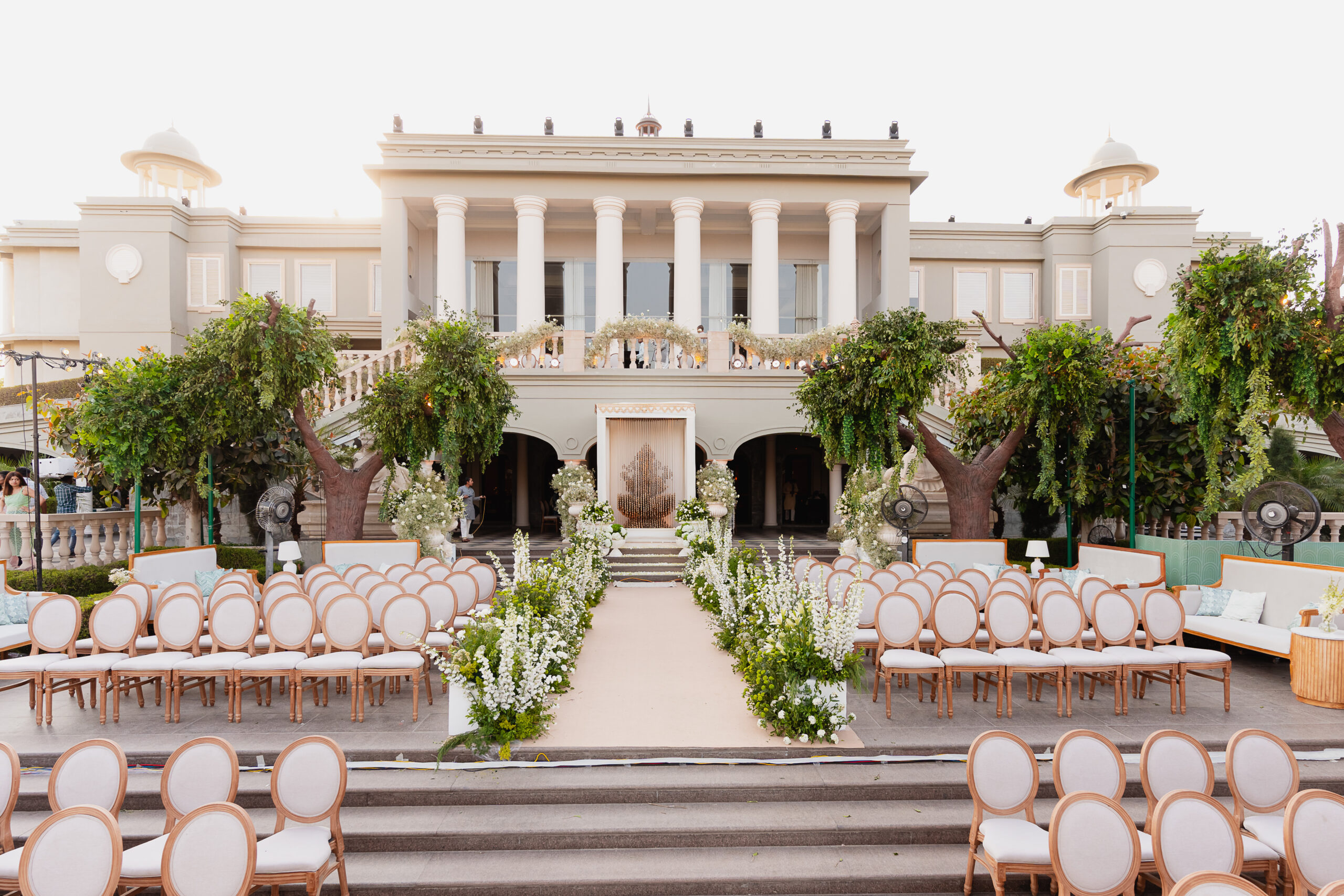
  • How Production Design Creates Extraordinary Weddings

    How Production Design Creates Extraordinary Weddings

    A wedding becomes truly memorable when every visual detail, from the décor and lighting to the overall setting, comes together to create a distinctive experience for the couple and their guests. From the choice of colours and textures to the way each element is styled, these details work together to shape the overall visual experience.

    That is where production design becomes important.

    At DreamzKrraft, we believe extraordinary weddings are not created by adding more elements to a space. They are created by understanding the celebration as a whole and bringing together design, planning, logistics, and execution with a clear creative direction.

    From the first visual idea to the final guest experience, production design helps transform a wedding from a collection of functions into one thoughtfully designed celebration.

    What Is Production Design in Weddings?

    Production design is the process of creating the visual and experiential direction of a wedding.

    It goes beyond selecting flowers, furniture, fabrics, or colours. It considers how every element will work together across the venue, functions, and guest journey.

    This includes:

    • The overall creative concept
    • Décor and styling
    • Stage and backdrop design
    • Lighting and technical production
    • Furniture and spatial planning
    • Guest movement and seating
    • Entertainment and performances
    • Transitions between different functions
    • The relationship between the venue and the celebration

    A wedding may have several beautifully designed elements, but production design ensures that they feel connected. It gives every part of the celebration a purpose while allowing each function to have its own personality.

    Creating a Clear Creative Direction

    Every extraordinary wedding begins with a clear idea.

    This does not always mean having a detailed theme or a fixed visual reference. Sometimes, the direction may come from the couple’s personalities, their cultural background, a favourite destination, or the way they want their guests to feel.

    The creative direction helps answer important questions:

    • What should the wedding feel like?
    • What kind of atmosphere should each function create?
    • How should the venue be transformed?
    • Which details should stand out?
    • How can the celebration feel personal rather than generic?

    Without a clear direction, décor can become a collection of unrelated choices. With one, every element begins to work towards the same experience.

    At DreamzKrraft, we approach production design by looking at the complete celebration before developing individual details. This allows us to create weddings that feel considered from the first function to the last.

    Designing Each Function With Its Own Personality

    A multi-day wedding should not feel like the same celebration repeated in different outfits.

    The Mehendi, Sangeet, wedding ceremony, and reception may all be part of one wedding, but each function has a different mood and purpose. Production design allows these differences to come through while maintaining a sense of continuity.

    Each space should feel distinct, but the transition from one function to another should still feel natural.

    This is where production design becomes more than décor. It creates a visual and experiential language that connects the entire wedding.

    Transforming a Venue Into an Experience

    A venue provides the setting for a wedding, but production design determines how that setting is experienced.

    The same ballroom, lawn, terrace, or heritage property can feel completely different with thoughtful decor designing and the creative vision of experienced wedding designers.

    The process involves understanding:

    • The architecture of the venue
    • Natural light and existing surroundings
    • Entry and exit points
    • Guest movement
    • Seating arrangements
    • Performance areas
    • Dining spaces
    • Photography locations
    • Technical requirements
    • The overall scale of the celebration

    A well-designed wedding does not simply cover the venue. It works with the venue.

    Architectural details may be highlighted rather than hidden. Open spaces may be used to create a sense of scale. Smaller areas may be made more intimate through lighting, furniture, and carefully selected décor.

    The result is a celebration that feels connected to its location rather than placed into it.

    The Importance of Lighting and Technical Production

    Lighting is one of the most important parts of production design, but it is often noticed only when it is missing or poorly executed.

    The right lighting can change the mood of a space, highlight important details, improve photographs, and help guests understand how the venue is meant to be experienced.

    Different functions may require different lighting approaches.

    Soft lighting can create warmth during a ceremony or dinner. Dynamic lighting can add energy to a Sangeet or performance. Architectural lighting can draw attention to a venue’s structure, while candles and ambient lights can make a smaller space feel more intimate.

    When design and technical production work together, the result feels seamless. Guests experience the atmosphere without noticing the work required to create it.

    Making the Guest Journey Part of the Design

    Extraordinary weddings are designed not only from the stage or the main décor area, but also from the guest’s point of view.

    Production design considers what guests see and experience from the moment they arrive.

    This may include:

    • The entrance experience
    • Welcome areas
    • Signage and wayfinding
    • Seating and lounge spaces
    • Dining layouts
    • Bar and food stations
    • Rest areas
    • Performance visibility
    • Transitions between functions
    • Departure and farewell moments

    A beautiful setting can lose its impact if guests are unable to move comfortably through it or understand where they need to go.

    Good production design balances visual appeal with practical planning. It ensures that the space looks considered while still allowing guests to enjoy the celebration with ease.

    Bringing Different Elements Together

    A wedding involves several teams, vendors, and creative decisions. Florists, decorators, lighting teams, entertainers, caterers, photographers, and venue teams all contribute to the final experience.

    Production design helps bring these different elements together under one direction.

    The flowers should work with the furniture. The lighting should complement the décor. The stage should suit the scale of the venue. The entertainment setup should fit naturally into the space. The guest movement should be considered while planning the layout.

    When these elements are planned separately, the final result can feel disconnected. When they are developed together, the wedding feels more cohesive.

    This coordination is especially important for large celebrations, where even small inconsistencies can affect the overall experience.

    Creating Details That Feel Personal

    Production design is not only about creating a beautiful environment. It is also about making the wedding feel like it belongs to the couple.

    Personal details can be introduced through:

    • Colour choices
    • Family traditions
    • Cultural references
    • Custom installations
    • Meaningful décor elements
    • Personalised stationery
    • Signature food and beverage experiences
    • Music and entertainment
    • Thoughtful guest experiences

    These details do not need to be loud or excessive. Often, the most memorable touches are the ones that feel natural to the couple and their story.

    A wedding becomes more meaningful when guests can recognise something personal in the way it has been designed.

    Production Design for Multi-Day Weddings

    Production design becomes especially valuable when a wedding takes place over multiple days.

    Each function needs its own identity, but the celebration should still feel like one complete experience. This requires careful planning of the venue, décor, technical requirements, guest movement, and transitions.

    The production team must also consider how the space will change between functions, how quickly installations can be adapted, and how different setups can be executed without affecting the guest experience.

    A multi-day wedding may move from a relaxed daytime celebration to an energetic evening function and then to a more formal ceremony or reception. Production design ensures that these changes feel intentional rather than disconnected.

    At DreamzKrraft, we look at the entire wedding journey to create a consistent narrative across every celebration while giving each function its own character.

    Why Production Design Matters

    A wedding can have beautiful décor and still feel ordinary if the different elements do not work together.

    Production design matters because it brings structure to creativity. It ensures that the visual direction, practical requirements, and guest experience are considered at the same time.

    It helps create:

    • A stronger sense of identity
    • Better use of the venue
    • More thoughtful guest experiences
    • Smooth transitions between functions
    • Consistency across different design elements
    • Better coordination between vendors
    • A more immersive atmosphere
    • A celebration that feels complete

    The aim is not to make every wedding look bigger. It is to make every wedding feel more intentional.

    A Wedding That Feels Extraordinary

    An extraordinary wedding is not defined by how many elements it includes. It is defined by how well those elements come together.

    Production design creates the foundation for that experience. It connects the creative idea with the venue, the décor, the technical production, and the guest journey.

    It allows every function to feel different while remaining part of the same celebration. It makes the space beautiful, but also functional. Most importantly, it helps create a wedding that feels personal, seamless, and memorable.

    At DreamzKrraft, we believe the best weddings are those where every detail has a reason to be there. Through thoughtful production design, we bring together the visual and practical elements of a celebration to create experiences that feel extraordinary from beginning to end.

    Creating Extraordinary Weddings With DreamzKrraft

    At DreamzKrraft, we believe that production design is about more than creating beautiful spaces. It is about understanding the celebration as a whole and bringing together every visual, technical, and experiential detail with purpose.

    From the first creative direction to the final execution, we work to ensure that each function feels distinctive, every transition feels natural, and the wedding reflects the people at its centre.

    Because when design, planning, and production come together, a wedding becomes more than an event. It becomes an experience that guests remember long after the celebrations are over.

  • Behind the Planning of a Celebrity Wedding

    Behind the Planning of a Celebrity Wedding

    Celebrity weddings often look effortless from the outside. The setting is beautiful, the guest list is carefully considered, every outfit is memorable, and each celebration appears to unfold seamlessly.

    Behind that experience, however, is a detailed planning process that involves much more than décor.

    Planning celebrity weddings requires a careful balance of privacy, hospitality, creative direction, logistics, production, and personalisation. Every decision needs to support the couple’s vision while ensuring that the celebration runs smoothly for everyone involved.

    At DreamzKrraft, we believe that the most successful weddings are not defined only by their scale or visibility. They are defined by how thoughtfully every detail is planned and how naturally the entire celebration comes together.

    Understanding the Couple’s Vision

    Every wedding begins with the couple.

    While public expectations may influence the scale or style of a celebrity wedding, the celebration should still reflect the couple’s personalities, preferences, and priorities.

    The planning process begins by understanding:

    • How the couple wants the wedding to feel
    • Which traditions are important to them
    • What kind of guest experience they want to create
    • How private or public the celebration should be
    • Which functions matter most to them
    • What they want their guests to remember

    A wedding may be large, but it should not feel impersonal. The creative direction needs to be built around the couple rather than around the idea of what a celebrity wedding is expected to look like.


    Planning for Privacy and Security

    Privacy is one of the most important considerations when planning a celebrity wedding.

    The couple and their families may want to celebrate without constant attention from the media or the public. This requires careful planning from the beginning, particularly when selecting the venue and managing access.

    Privacy planning may include:

    • Choosing a suitable and secure Location
    • Managing guest and vendor access
    • Creating controlled arrival and departure points
    • Planning includes providing security vendors.
    • Establishing photography and filming guidelines
    • Protecting private areas within the venue
    • Maintaining clear communication protocols

    These measures should be discreet and well integrated into the event. The aim is to create a secure environment without making guests feel restricted or uncomfortable.

    Selecting the Right Venue

    The venue needs to support both the creative vision and the practical requirements of the celebration.

    For celebrity weddings, this may mean looking beyond the appearance of a property and assessing its privacy, accessibility, accommodation, capacity, and production capabilities.

    Important considerations include:

    • Location and ease of access
    • Accommodation for guests
    • Venue capacity
    • Privacy and exclusivity
    • Security arrangements
    • Parking and transport
    • Space for technical setups
    • Separate areas for vendors and staff
    • Flexibility across multiple functions

    A heritage property, luxury hotel, private estate, or destination resort can each create a different atmosphere. The right choice is the one that offers the best balance between the couple’s vision and the needs of the celebration.

    Creating a Personal Wedding Experience

    Celebrity weddings often attract attention because of their scale, but scale alone does not make a wedding memorable.

    The most meaningful celebrations include details that reflect the couple’s story, background, and relationship.

    This could be expressed through:

    • Personalised décor
    • Family traditions
    • Cultural references
    • Custom stationery
    • Meaningful music
    • Signature food and beverage experiences
    • Thoughtful guest gifts
    • Custom installations
    • Details connected to the couple’s story

    These elements do not need to be excessive. Smaller, personal details can often make a celebration feel more authentic than elaborate additions chosen only for visual impact.

    Managing a High-Profile Guest List

    A celebrity wedding may bring together family members, close friends, public figures, industry professionals, and business leaders. Managing this guest list requires detailed coordination and clear communication.

    The process may involve:

    • Creating and updating the guest list
    • Managing RSVPs
    • Coordinating accommodation
    • Arranging airport transfers
    • Planning seating
    • Managing special requests
    • Organising guest check-ins
    • Coordinating arrival and departure schedules

    Guest management begins well before the wedding day. When information is shared clearly and arrangements are handled in advance, guests can enjoy the celebration without unnecessary confusion.


    Coordinating Multiple Functions

    Many celebrity weddings take place over several days, with each function having its own mood, décor, entertainment, and guest experience.

    Each function should feel distinct without appearing disconnected from the others.

    This requires coordination across:

    • Creative direction
    • Décor and styling
    • Venue layouts
    • Guest movement
    • Entertainment
    • Scheduling
    • Production requirements

    At DreamzKrraft, we look at the entire wedding journey to ensure that every celebration has its own personality while contributing to the larger story.

    Designing the Décor and Production

    The décor at a celebrity wedding may receive considerable attention, but the design process involves much more than selecting flowers or creating an impressive stage.

    Production design considers how the complete space will be experienced, including:

    • Entrance design
    • Stage and backdrop concepts
    • Floral arrangements
    • Furniture and seating
    • Lighting
    • Technical production
    • Dining areas
    • Performance spaces
    • Photography locations
    • Signage and guest information

    The design should work with the venue rather than compete with it. A well-planned space should look beautiful from every angle, function comfortably for guests, and allow the celebration to unfold naturally.

    Planning Entertainment and Performances

    Entertainment is often a major part of celebrity weddings, particularly during Sangeet celebrations and receptions.

    The entertainment programme should be planned around the couple, the guests, and the overall flow of the event. It may include:

    • Live performances
    • DJs and music programming
    • Celebrity artists
    • Family performances
    • Choreographed entries
    • Special appearances
    • Cultural performances
    • Interactive guest experiences

    Alongside the programme itself, the team must coordinate rehearsals, artist schedules, sound, lighting, staging, and technical requirements.

    The entertainment should feel like a natural part of the celebration rather than a separate production placed into it.

    Managing Photography and Media

    Celebrity weddings often attract media interest, even when the couple prefers to keep the celebration private.

    A clear photography and media plan helps protect the couple’s preferences while ensuring that important moments are documented.

    Depending on the level of access permitted, planning may include:

    • Appointing official photographers
    • Creating designated photography areas
    • Establishing guest photography guidelines
    • Coordinating with media teams
    • Managing image and video approvals
    • Protecting the privacy of guests
    • Controlling the release of wedding content

    The aim is to document the celebration beautifully without allowing photography or media activity to interrupt the experience.


    Preparing for Last-Minute Changes

    Large weddings involve many moving parts, so changes are sometimes unavoidable.

    A performer may have a revised schedule. A guest may arrive earlier than expected. Weather conditions may affect an outdoor function. A décor element may need to be adjusted at the last minute.

    Experienced planning teams prepare for these possibilities through:

    • Detailed schedules
    • Backup plans
    • Strong vendor coordination
    • Clear communication
    • Quick decision-making
    • A clear understanding of priorities

    The guests may never notice these changes, but that is often a sign of effective planning. The work happens behind the scenes so that the celebration continues without disruption.

    Creating a Comfortable Guest Experience

    The guest experience is shaped by more than the décor or entertainment. It also depends on how comfortable and informed guests feel throughout the wedding.

    This includes:

    • Smooth arrivals
    • Comfortable accommodation
    • Clear event schedules
    • Thoughtful hospitality
    • Well-planned dining
    • Easy movement between spaces
    • Comfortable seating
    • Personalised touches
    • Efficient departures

    A well-organised wedding allows guests to focus on enjoying the celebration rather than figuring out where to go or what to do next.

    Balancing Scale With Meaning

    A celebrity wedding does not have to be the biggest or most elaborate celebration to be extraordinary.

    What matters is how well the different elements support the couple’s vision. A smaller, thoughtfully planned wedding can feel more meaningful than a large celebration without a clear direction.

    At DreamzKrraft, we believe that scale should serve the experience. Whether the wedding is an intimate destination celebration or a large multi-day event, every decision should be made with purpose.

    Planning Celebrity Weddings With DreamzKrraft

    Planning a celebrity wedding requires discretion, creativity, and strong execution.

    It involves understanding the couple’s vision, protecting their privacy, managing a complex guest list, coordinating multiple functions, and ensuring that every detail is handled with care.

    At DreamzKrraft, we approach celebrity weddings as complete experiences rather than individual events. From the first creative conversation to the final guest departure, we bring together planning, production, design, and coordination to create celebrations that feel personal, seamless, and memorable.

    Because the best weddings are not only the ones people notice. They are the ones the couple and their guests remember for all the right reasons.

  • Wedding Planning Timeline: 12 Months to Wedding Day

    Wedding Planning Timeline: 12 Months to Wedding Day

    Planning a wedding is rarely about doing everything at once. It is about knowing what needs to happen, when it needs to happen, and which decisions deserve your attention first.

    A venue needs to be booked before you can finalise the décor. Your guest list influences the scale of the celebration. Your outfits need to be planned around the functions, and your invitations need to go out with enough time for guests to make their arrangements.

    When you are hosting several celebrations over two or three days, these decisions become even more connected. A welcome dinner, mehendi, sangeet, ceremony and reception should each have their own personality, but they also need to work together as one wedding.

    At DreamzKrraft, we believe that kind of cohesion begins with thoughtful planning. Not every detail needs to be decided at once, but every decision should have a place in the larger picture.

    That is where a well-planned wedding planning timeline becomes useful.

    It gives you a clear sense of what to focus on now, what can wait, and how to move from the first conversation to the wedding day without feeling like everything is happening at once.

    Whether you are planning an intimate celebration or a large, multi-function wedding, this 12-month timeline will help you understand the key stages of the process.

    12 Months Before: Start With the Big Decisions

    Decide what kind of wedding you want

    Before you begin booking vendors or choosing décor, take some time to understand what you want the wedding to feel like.

    Are you imagining a destination wedding with several functions? A city wedding with a smaller guest list? A traditional celebration with a contemporary approach to décor? Or something more relaxed and intimate?

    There is no single right way to plan a wedding. But having a broad direction helps you make decisions that feel connected rather than choosing each element in isolation.

    This is also the time to discuss your priorities as a couple.

    What matters most to you? The food? The venue? The guest experience? The décor? The photography? The celebrations themselves?

    You do not need to have every detail figured out. You simply need to know what deserves the most attention.

    Set your budget

    Your budget will influence almost every decision that follows.

    Start with an overall figure, then divide it into the major categories of the wedding. This could include the venue, food and beverages, décor, outfits, photography, entertainment, accommodation, transportation and other wedding-related expenses.

    It is also worth keeping a contingency amount aside. Weddings involve a lot of moving parts, and having some flexibility in the budget can make the planning process much easier.

    The important thing is to establish a realistic budget before you begin making commitments.

    Create your initial guest list

    You do not need a final guest list at this stage, but you should have a reasonably clear idea of the scale of the wedding.

    A celebration for 100 guests and one for 500 guests will involve very different planning decisions.

    Your guest list will influence the venue, accommodation requirements, food and beverage arrangements, transportation and even the way you approach the décor.

    Research and shortlist planners

    If you are considering working with a wedding planner, this is a good time to begin your research.

    Look at their previous weddings, understand their approach to planning and décor, and think about whether their work feels aligned with the kind of celebration you want to create.

    A planner is not simply someone who books vendors or manages the wedding day. The right planning team can help you make decisions, bring different elements together and ensure that the wedding feels cohesive from beginning to end.

    At DreamzKrraft, we approach this process by looking at the wedding as a whole — from the first conversation and the overall direction to the details that make each function feel personal.

    The aim is not to make every celebration look the same. It is to understand what each function needs to feel like, and how those individual experiences can come together as one wedding.

    10–11 Months Before: Book the Venue and Establish the Direction

    Finalise your venue

    Once you have a clearer idea of your guest list, budget and wedding format, you can begin looking seriously at venues.

    If you are planning a destination wedding, this is often one of the first major decisions to make.

    Consider the number of guests, the accommodation available, the different spaces for each function and how easily guests can move between them.

    A venue may look beautiful in photographs, but it also needs to work for the way you want to celebrate.

    Think about the welcome dinner, mehendi, sangeet, ceremony and reception. Do the spaces allow each function to feel different? Can the décor be adapted? Is there enough room for guests to move comfortably? Does the venue offer the kind of experience you want your guests to have?

    These questions become especially important when you are planning several functions over multiple days.

    Start developing the wedding’s overall direction

    Once the venue is booked, you can begin thinking about how the wedding should come together visually.

    This does not necessarily mean choosing one theme for every function.

    In fact, repeating the same décor and atmosphere across every celebration can make a multi-day wedding feel strangely flat.

    A better approach is to think about the wedding as a collection of connecThe mehendi could be colourful and relaxed. The sangeet could have a more energetic, evening-focused atmosphere. The ceremony could be softer and more intimate. The reception could take a more formal or contemporary direction.

    Each function cted experiences.

    an have its own identity while still feeling like part of the same wedding

    Begin conversations with key vendors

    Depending on your wedding format, this is also a good time to start discussing photography, videography, entertainment and other major services.

    Some vendors may need to be booked well in advance, especially if your wedding falls during a busy season.

    8–9 Months Before: Build the Wedding Around Your Guests

    Finalise the guest list

    By this stage, you should have a much clearer idea of who will be attending.

    This is particularly important for destination weddings, where guests may need to make travel arrangements, apply for leave or plan accommodation.

    A more accurate guest list will also help you make better decisions about the venue, food, transportation and overall scale of the celebrations.

    Plan accommodation and transportation

    If you are hosting guests from different cities or countries, start looking at accommodation options and transportation arrangements.

    Think about how guests will arrive, where they will stay and how they will move between the different functions.

    A wedding can be beautiful, but the experience becomes much more enjoyable when guests know where they need to be and how they are getting there.

    Begin outfit planning

    This is a good time to start thinking about your wedding wardrobe.

    Rather than choosing outfits function by function without considering the overall celebration, think about how the looks will work together.

    You may want the mehendi to feel more relaxed, the wedding to be traditional and the reception to be more contemporary.

    Your outfits can reflect those differences while still feeling like part of one wedding story.

    Start discussing décor in more detail

    With the venue and overall direction in place, you can now begin developing the décor for each function.

    This is where the planning starts to become more visual.

    Think about the mood you want to create, the colours you are drawn to, the kind of lighting you prefer and how the spaces can be transformed.

    You do not need to finalise every flower or furniture detail yet. But having a clear direction will make the next stages much easier.

    6–7 Months Before: Move From Ideas to Decisions

    Finalise the major décor elements

    By now, you should have a clearer idea of how each function will look and feel.

    This is the time to begin making more specific decisions about the décor, including the mandap, stage, seating, lighting, floral arrangements and other important elements.

    If you are working with a planner, this is also when the creative direction starts becoming more concrete.

    The goal is not to make every decision immediately. It is to make sure the major elements are aligned before you move into the finer details.

    Book entertainment

    If you are planning a sangeet, reception or other evening celebrations, this is a good time to finalise entertainment.

    Think about what kind of atmosphere you want to create.

    A live band, DJ, dance performances or a more intimate musical experience can all work beautifully, depending on the celebration.

    The important thing is to choose entertainment that feels right for the function rather than simply booking what is popular.

    Start planning the wedding stationery

    Once you have the venue, dates and broad wedding direction in place, you can begin thinking about invitations and other stationery.

    This is also a good time to consider whether you want a digital invitation, a printed invitation or a combination of both.

    Your stationery can be a lovely way to introduce guests to the wedding’s overall feel.

    4–5 Months Before: Finalise the Details

    Finalise your outfits

    By this stage, you should be moving towards final outfit decisions.

    This is especially important if you are working with designers who need time for customisation, fittings or alterations.

    Make sure you allow enough time for everything to be completed comfortably.

    The same applies to accessories, footwear and other details that can often be overlooked until the last minute.

    Finalise the wedding stationery

    Your invitations should now be ready to go out, particularly if you are hosting a destination wedding or have guests travelling from different cities.

    Give your guests enough time to make their arrangements.

    This is also a good time to begin collecting RSVPs and keeping track of accommodation requirements.

    Confirm the décor and production requirements

    Your planner and décor team should now be working towards a more detailed plan for each function.

    This includes the major installations, lighting, furniture, floral arrangements and other production elements.

    If there are any special requirements, such as custom-built structures, personalised signage or specific entertainment setups, this is the time to make sure they are accounted for.

    Plan the smaller guest experiences

    Some of the most memorable wedding details are often the ones that are not part of the main décor.

    Welcome gifts, room hampers, personalised notes, guest activities or small touches that make people feel considered can all add to the experience.

    These details do not need to be elaborate. They simply need to feel thoughtful.

    3 Months Before: Bring Everything Together

    Finalise the wedding schedule

    By now, you should have a clearer idea of how the wedding days will flow.

    Think about the timing of each function, guest arrivals, transportation, meals, entertainment and any other important moments.

    A well-planned schedule helps everyone understand what needs to happen and when.

    It also gives your planner and vendors a clear framework to work with.

    Confirm the guest list and RSVPs

    This is the time to follow up with guests who have not yet confirmed their attendance.

    You should also begin finalising accommodation and transportation arrangements based on the latest guest numbers.

    Finalise the wedding menu

    Food is a major part of the guest experience, and this is a good time to begin making final decisions about the menu.

    Think about the different functions and whether you want each one to have its own food experience.

    A welcome dinner, mehendi, sangeet and reception do not necessarily need to have the same menu or service style.

    The food can be another way to give each celebration its own personality.

    Plan the wedding day logistics

    This is also a good time to begin discussing the practical details of the wedding day.

    Who needs to be where? What time does the décor setup begin? When do the outfits need to be ready? These may not be the most exciting parts of planning, but they are what help the wedding run smoothly.

    2 Months Before: Start Finalising the Finer Details

    Confirm all vendor arrangements

    By now, your major vendors should be booked and your planner should be working towards the final execution plan.

    This is a good time to confirm the details with everyone involved, including the venue, décor team, photographer, videographer, entertainment and other services.

    Make sure everyone is working with the same schedule and understands the requirements for each function.

    Finalise the décor details

    The broad creative direction should now be in place, and you can begin focusing on the finer details.

    This could include the exact floral arrangements, table settings, signage, lighting and other elements that bring the décor together.

    It is also a good time to review how the different functions will transition from one to another.

    Finalise the wedding wardrobe

    Make sure your outfits are progressing as planned and that you have enough time for fittings and alterations.

    It is also worth checking that your accessories, footwear and other details are ready.

    Plan the wedding party and family requirements

    If you are having bridesmaids, groomsmen or family members involved in the celebrations, this is a good time to confirm their outfits, responsibilities and any other requirements.

    The more clarity everyone has, the easier it becomes to enjoy the wedding itself.

    1 Month Before: Focus on Coordination

    Confirm the final guest list

    At this stage, you should have a reasonably accurate idea of the final guest count.

    This will help with the last few decisions around accommodation, transportation, food and seating.

    Finalise the wedding day schedule

    Your planner should now have a detailed schedule for the wedding days.

    This should include the timing of each function, vendor arrivals, décor setup, photography, entertainment and other important moments.

    It is also a good idea to share the relevant details with family members and anyone else who needs to be involved.

    Complete the final fittings

    Make sure all your outfits are ready and that any last-minute alterations are completed.

    This is also a good time to organise your accessories, footwear and other wedding-day essentials.

    Confirm the final décor and production plan

    Your planner and décor team should now be working towards the final execution.

    This is the time to review the overall plan, confirm the production requirements and make sure everything is ready for the wedding days.

    2 Weeks Before: Prepare for the Wedding

    Finalise the last-minute details

    By now, most of the major planning decisions should be complete.

    The focus should shift towards making sure everything is ready.

    This could include confirming guest arrivals, checking accommodation arrangements, finalising transportation and making sure all the necessary details are in place.

    Prepare your wedding-day essentials

    Make sure you have everything you need for the wedding days, including outfits, accessories, footwear, personal items and any other essentials.

    It is also worth keeping a small emergency kit handy with things like safety pins, tissues, medicines, makeup touch-up products and other useful items.

    Take a moment to step back

    The final weeks of wedding planning can be busy, but they are also a good time to remind yourself why you are doing all of this.

    The wedding does not need to be perfect in every possible way.

    What matters is that the people you love are there, that the celebrations feel meaningful and that you are able to enjoy the experience.

    The Week of the Wedding: Let the Planning Take Over

    Trust your team

    By the time the wedding week arrives, your planner and vendors should have a clear understanding of what needs to happen.

    This is where the planning process really begins to pay off.

    You should not have to worry about every detail yourself.

    The right team will help coordinate the different functions, manage the logistics and ensure that the celebrations come together as planned.

    Focus on the experience

    The wedding week is not the time to start making major changes.

    If something small needs to be adjusted, your planner can help manage it.

    Your role is to be present, enjoy the celebrations and spend time with the people who have come to celebrate with you.

    The Wedding Day: Be Present for the Moments That Matter

    After months of planning, the wedding day can arrive with a strange sense of speed.

    The décor is in place. The guests have arrived. The music begins. And suddenly, the celebration you have been imagining for so long is happening in front of you.

    This is the time to let the planning take over.

    Trust your team, enjoy the people around you and allow yourself to be present for the moments that matter.

    Because while the décor, outfits and celebrations are all important, the wedding is ultimately about the people at the centre of it.

    And that is what makes the day memorable.

    A Wedding Planning Timeline Is a Guide, Not a Rulebook

    Every wedding is different.

    Some couples may need more time to finalise their venue. Others may have a shorter planning window. A destination wedding may require more attention to accommodation and transportation, while a smaller celebration may involve fewer vendors and simpler logistics.

    The important thing is not to follow a timeline rigidly.

    It is to understand what needs to happen, what decisions depend on one another and where you need to allow yourself enough time.

    A good wedding planning timeline gives you that clarity.

    It helps you move from the big decisions to the finer details, while making sure the wedding feels considered, cohesive and personal.

    And when the planning is done well, the result is not simply a beautiful wedding.

    It is a celebration that feels like you.

    Planning Your Wedding With DreamzKrraft

    At DreamzKrraft, we believe wedding planning is about more than bringing beautiful ideas together.

    It is about understanding the people behind the celebration, creating a clear direction and making sure every function feels considered.

    Whether you are planning an intimate wedding or a multi-day destination celebration, our approach is to bring the different elements together in a way that feels personal, cohesive and true to you.

    Because the best weddings are not simply well-planned.
    They are thoughtfully experienced.

  • Udaipur vs Jaipur: Which Is Better for a Royal Destination Wedding?

    Udaipur vs Jaipur: Which Is Better for a Royal Destination Wedding?

    Key Takeaways

    • Udaipur destination weddings are known for lakeside palaces, island venues, and romantic luxury experiences.
    • Jaipur destination weddings offer grand forts, heritage palaces, and vibrant royal Rajasthani culture.
    • Udaipur is ideal for couples seeking elegance, exclusivity, and scenic beauty.
    • Jaipur is perfect for larger celebrations with majestic architecture and easier accessibility.
    • Both cities offer exceptional royal wedding venues in Rajasthan, but the right choice depends on your wedding vision, guest count, and budget.
    • Partnering with experienced Luxury Wedding Planners in India ensures seamless execution, guest hospitality, and stunning Wedding Planning & Décor Services.

    Udaipur vs Jaipur: The Ultimate Royal Wedding Showdown

    When couples dream of a royal destination wedding in India, two cities immediately come to mind, Udaipur and Jaipur.

    Both cities are home to magnificent palaces, luxurious heritage hotels, and centuries of royal history. Yet they offer distinctly different wedding experiences. While Udaipur captivates with its lakes and romantic palace settings, Jaipur impresses with its grand forts, vibrant culture, and regal architecture.

    So, when choosing between a Udaipur destination wedding and a Jaipur destination wedding, which city truly delivers the royal wedding of your dreams?

    Let’s compare the two iconic wedding destinations across every important factor.

    Why Couples Choose Udaipur for Destination Weddings?

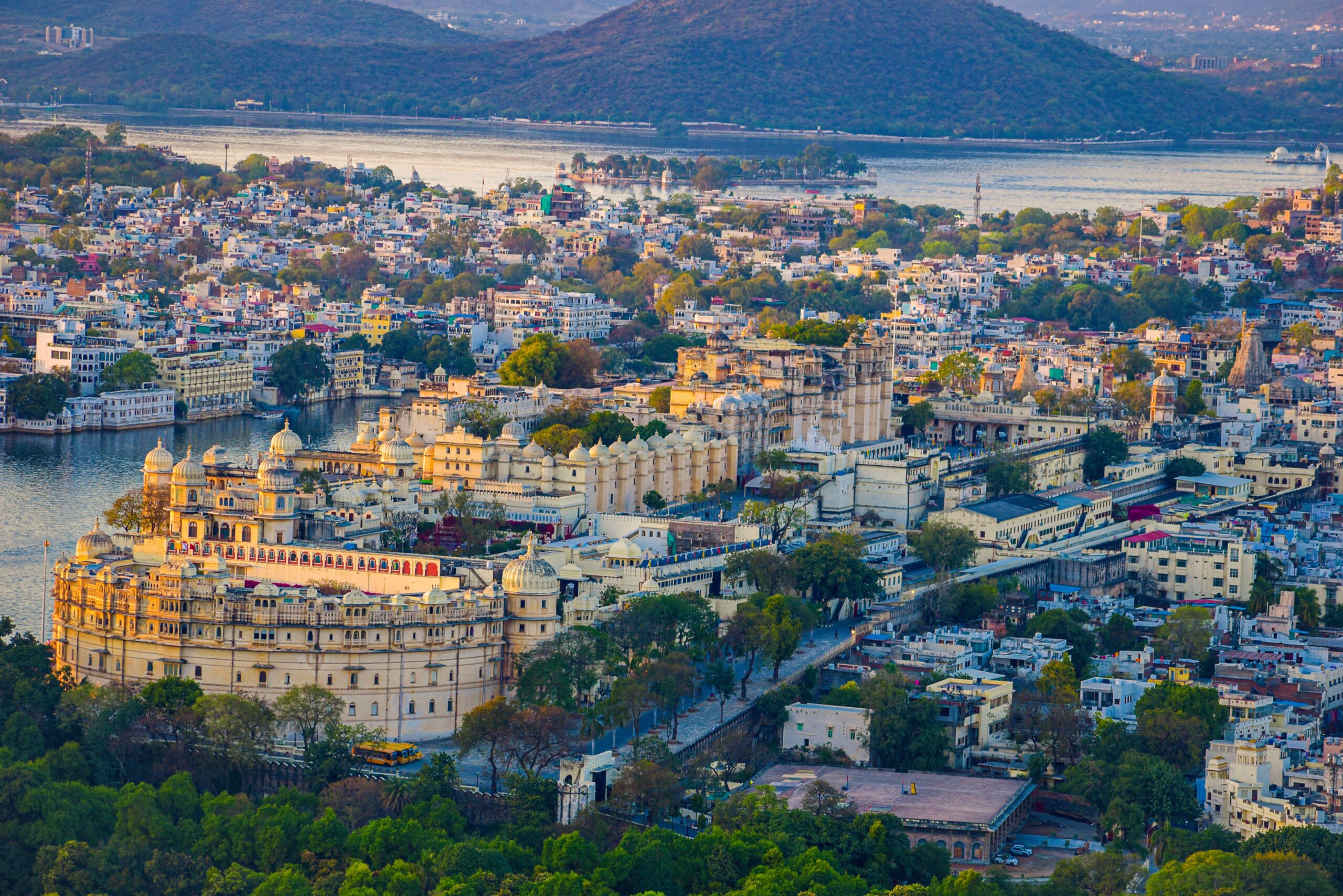
    Often called the “Venice of the East,” Udaipur is India’s most romantic wedding destination.

    The city combines serene lakes, breathtaking palaces, and luxury hospitality to create a wedding experience that feels straight out of a fairy tale.

    What Makes a Udaipur Destination Wedding Special?

    Lakeside Royalty

    Unlike any other wedding destination in India, Udaipur offers venues surrounded by water. Private boat arrivals, sunset ceremonies overlooking Lake Pichola, and island palaces create unforgettable experiences for guests.

    Iconic Palace Venues

    Some of India’s most prestigious palace wedding Udaipur venues include:

    • The Oberoi Udaivilas
    • Jagmandir Island Palace
    • Taj Lake Palace
    • The Leela Palace Udaipur
    • Raffles Udaipur

    Romantic Ambience

    Udaipur’s intimate atmosphere makes it especially popular among couples looking for elegant luxury celebrations rather than massive wedding productions.

    Luxury Guest Experience

    From private island venues to personalized hospitality, Udaipur excels at delivering premium guest experiences.

    Best For

    • Luxury destination weddings
    • Intimate royal celebrations
    • High-end guest experiences
    • Couples seeking scenic beauty and exclusivity

    Why Couples Choose Jaipur for Destination Weddings?

    Known as the Pink City, Jaipur offers a grander and more traditional royal wedding atmosphere.

    With majestic forts, sprawling palace hotels, and vibrant cultural experiences, Jaipur delivers the classic Rajput royal wedding experience.

    What Makes a Jaipur Destination Wedding Special?

    Grand Heritage Architecture

    Jaipur’s forts and palaces offer a larger-than-life backdrop for wedding celebrations.

    Popular palace wedding Jaipur venues include:

    • Rambagh Palace
    • Jai Mahal Palace
    • Fairmont Jaipur
    • Samode Palace
    • Raj Palace Jaipur

    Easier Accessibility

    Jaipur has excellent air connectivity and is conveniently located near Delhi, making travel easier for domestic and international guests.

    Larger Venue Capacity

    Many Jaipur venues can accommodate bigger guest lists and large-scale wedding productions.

    Rich Cultural Experiences

    Traditional folk performances, royal processions, elephant welcomes, and heritage-inspired décor are often incorporated into Jaipur weddings.

    Best For

    • Grand royal weddings
    • Large guest lists
    • Traditional Rajasthani celebrations
    • Multi-day luxury wedding productions

    Udaipur vs Jaipur Wedding Comparison

    FactorUdaipurJaipur
    AmbienceRomantic & ScenicGrand & Regal
    Signature FeatureLakes & Island PalacesForts & Heritage Palaces
    Guest ExperienceIntimate LuxuryLarge-Scale Royal Celebration
    PhotographyLakeside BackdropsArchitectural Grandeur
    AccessibilityModerateExcellent
    Venue CapacitySmall to Medium-LargeMedium to Very Large
    Luxury AppealUltra-PremiumPremium to Ultra-Premium
    Wedding StyleElegant & ExclusiveTraditional & Majestic

    Which Destination Offers Better Royal Wedding Venues in Rajasthan?

    The answer depends on your vision.

    Choose Udaipur If You Want:

    • A luxury lakeside wedding
    • Island palace experiences
    • Romantic sunset ceremonies
    • Exclusive venue buyouts
    • International luxury hospitality

    Choose Jaipur If You Want:

    • Historic fort weddings
    • Traditional royal grandeur
    • Larger wedding functions
    • Easier guest logistics
    • Rich cultural experiences

    Both destinations rank among the finest royal wedding venues Rajasthan has to offer.

    Wedding Budget: Udaipur vs Jaipur

    While costs vary based on season, guest count, and venue selection, there are some general trends.

    Udaipur Wedding Budget

    Luxury venues and island properties often command premium pricing due to exclusivity and limited inventory.

    Ideal for:

    • Luxury weddings
    • Boutique destination celebrations
    • High-end guest experiences

    Jaipur Wedding Budget

    Jaipur offers a wider range of luxury venues, providing more flexibility across different budgets while maintaining a royal feel.

    Ideal for:

    • Large-scale weddings
    • Extended guest lists
    • Multi-event celebrations

    Why Luxury Wedding Planners in India Recommend Both Cities?

    A successful destination wedding involves much more than choosing a venue.

    Experienced Luxury Wedding Planners in India help couples:

    • Secure exclusive palace venues
    • Manage guest hospitality
    • Coordinate entertainment and artists
    • Handle vendor management
    • Execute flawless logistics
    • Create personalized wedding experiences

    Whether you’re planning a Udaipur destination wedding or a Jaipur destination wedding, professional planning ensures every detail is managed seamlessly.

    The Role of Wedding Planning & Décor Services

    The venue creates the backdrop, but exceptional Wedding Planning & Décor Services bring the celebration to life.

    From floral installations and royal mandaps to immersive guest experiences, décor plays a crucial role in defining the wedding atmosphere.

    Professional décor teams can transform:

    • Palace courtyards into royal reception venues
    • Lakeside terraces into romantic ceremony spaces
    • Heritage ballrooms into luxury celebration settings
    • Fort venues into unforgettable cultural experiences

    The best weddings blend venue, décor, hospitality, and storytelling into one cohesive experience.

    Final Verdict: Udaipur or Jaipur?

    If your dream wedding includes private boat arrivals, shimmering lakes, and romantic palace views, Udaipur wins.

    If you envision majestic forts, grand royal entrances, and large-scale celebrations, Jaipur takes the crown.

    Ultimately, both destinations represent the pinnacle of luxury weddings in India. Whether you choose a palace wedding Udaipur experience or a palace wedding Jaipur celebration, you’ll be surrounded by history, elegance, and timeless royal charm.

    The real secret lies in partnering with experienced Luxury Wedding Planners in India who can transform your vision into an unforgettable celebration through expert Wedding Planning & Décor Services.

  • Luxury Wedding in Turkey: Complete Venues & Planning Guide

    Luxury Wedding in Turkey: Complete Venues & Planning Guide

    Key Takeaways

    • Turkey has emerged as one of the world’s most sought-after luxury wedding destinations.
    • From the Bosphorus waterfront in Istanbul to the beaches of Bodrum and Antalya, Turkey offers exceptional wedding experiences.
    • Luxury resorts, private villas, Ottoman palaces, and beachfront venues provide diverse options for destination weddings.
    • Turkey often offers better value compared to European wedding destinations while maintaining world-class luxury standards.
    • Working with experienced Luxury Wedding Planners in India ensures seamless coordination, guest management, and premium Wedding Planning & Décor Services.

    Why is Turkey Becoming a Top Luxury Wedding Destination?

    Over the past decade, Turkey has become a favourite destination for affluent couples seeking a wedding that combines European elegance, Middle Eastern hospitality, and breathtaking scenery.

    Whether you dream of exchanging vows overlooking the Bosphorus, hosting a glamorous beach celebration in Bodrum, or celebrating in a historic Ottoman palace, Turkey offers an unmatched blend of luxury, culture, and sophistication.

    For Indian couples in particular, Turkey provides world-class hospitality, stunning venues, excellent connectivity, and the ability to host lavish multi-day wedding celebrations.

    Why Choose Turkey for a Destination Wedding?

    Spectacular Scenery

    Turkey offers a diverse range of wedding backdrops:

    • Bosphorus waterfront views
    • Private beaches
    • Luxury marinas
    • Ottoman palaces
    • Clifftop resorts
    • Historic architecture

    Luxury Hospitality

    Turkey is home to some of the world’s finest luxury hotels and resorts, offering exceptional service and guest experiences.

    Excellent Accessibility

    Direct flights from major Indian cities and international hubs make Turkey highly accessible for destination wedding guests.

    Ideal for Multi-Day Celebrations

    Turkey is perfect for hosting:

    • Welcome dinners
    • Mehendi ceremonies
    • Sangeet nights
    • Wedding ceremonies
    • Grand receptions
    • Post-wedding brunches

    Best Cities for Luxury Weddings in Turkey

    Istanbul

    Istanbul remains Turkey’s most iconic wedding destination.

    Straddling Europe and Asia, the city offers a unique blend of history, luxury, and cosmopolitan charm.

    Best Wedding Venues in Istanbul

    • Çırağan Palace Kempinski
    • Four Seasons Hotel Bosphorus
    • Mandarin Oriental Bosphorus
    • The Peninsula Istanbul

    Ideal For

    • Luxury destination weddings
    • Palace weddings
    • High-profile celebrations
    • International guest lists

    Bodrum

    Often referred to as the “Turkish Riviera,” Bodrum is known for its luxury beach resorts, private villas, and celebrity appeal.

    Top Wedding Venues in Bodrum

    • Mandarin Oriental Bodrum
    • Maxx Royal Bodrum Resort
    • Six Senses Kaplankaya

    Ideal For

    • Beach weddings
    • Ultra-luxury celebrations
    • Intimate destination weddings
    • Modern wedding themes

    Antalya

    Antalya offers Mediterranean beauty combined with luxury all-inclusive resorts.

    The region is particularly attractive for large Indian weddings due to its extensive hospitality infrastructure.

    Best Wedding Venues

    • Regnum Carya
    • Titanic Mardan Palace
    • Cullinan Belek

    Ideal For

    • Large-scale weddings
    • Family celebrations
    • Resort buyouts
    • Destination wedding packages

    Cappadocia

    For couples seeking a truly unique wedding experience, Cappadocia offers surreal landscapes and iconic hot-air balloon backdrops.

    Ideal For

    • Boutique weddings
    • Luxury elopements
    • Pre-wedding shoots
    • Intimate celebrations

    Best Luxury Wedding Venues in Turkey

    Çırağan Palace Kempinski Istanbul

    A former Ottoman palace situated directly on the Bosphorus.

    Highlights:

    • Royal palace architecture
    • Waterfront ceremonies
    • Luxury suites
    • Exceptional guest experiences

    Perfect for couples wanting a true palace wedding.

    Mandarin Oriental Bodrum

    One of Turkey’s most exclusive luxury resorts.

    Highlights:

    • Private beaches
    • Stunning sea views
    • Ultra-luxury accommodations
    • Premium guest experiences

    Ideal for high-end destination weddings.

    Titanic Mardan Palace

    Known for its grand architecture and extravagant scale.

    Highlights:

    • Massive event spaces
    • Resort buyouts
    • Large guest capacity
    • Luxury hospitality

    Perfect for Indian weddings with large guest lists.

    Cost of a Luxury Wedding in Turkey

    Wedding budgets vary depending on venue, season, guest count, and event scale.

    Typical Budget Factors

    • Venue rental
    • Accommodation
    • Catering
    • Entertainment
    • Travel logistics
    • Wedding décor
    • Photography and videography

    For luxury celebrations, Turkey generally offers better value than many Western European wedding destinations while delivering comparable luxury standards.

    Wedding Planning & Décor Services for Turkey Weddings

    A destination wedding abroad requires expert planning and execution.

    Professional Wedding Planning & Décor Services help couples manage:

    Venue Selection

    Identifying venues that align with your vision, guest count, and budget.

    Guest Hospitality

    Managing travel, accommodation, transportation, and concierge services.

    Wedding Design

    Creating bespoke themes, floral concepts, and immersive guest experiences.

    Vendor Coordination

    Managing caterers, photographers, entertainers, and local suppliers.

    On-Ground Execution

    Ensuring flawless delivery across multiple wedding events.

    Why Work with Luxury Wedding Planners in India?

    Planning a wedding overseas involves significant coordination across countries, vendors, and guest logistics.

    Experienced Luxury Wedding Planners in India offer:

    • Destination wedding expertise
    • International vendor networks
    • Budget management
    • Cultural customisation
    • End-to-end execution
    • Multi-day celebration planning

    Their experience ensures that every element- from venue selection to final farewell brunch – is executed seamlessly.

    Turkey Wedding Planning Timeline

    12–15 Months Before

    • Finalise wedding destination
    • Select wedding planner
    • Shortlist venues

    9–12 Months Before

    • Secure venue contracts
    • Confirm guest list
    • Begin travel planning

    6–9 Months Before

    • Finalise décor concepts
    • Book entertainment
    • Confirm hospitality arrangements

    3–6 Months Before

    • Send invitations
    • Finalise event schedules
    • Coordinate guest logistics

    Final Month

    • Vendor confirmations
    • Production planning
    • On-site coordination

    Final Thoughts

    Turkey offers one of the most exciting luxury wedding destinations in the world. Whether you choose a magnificent Bosphorus palace in Istanbul, a beachfront celebration in Bodrum, a resort wedding in Antalya, or a unique experience in Cappadocia, Turkey delivers unforgettable experiences for couples and guests alike.

    With world-class venues, stunning landscapes, exceptional hospitality, and support from experienced Luxury Wedding Planners in India, your dream destination wedding can be transformed into a truly extraordinary celebration through expert Wedding Planning & Décor Services.

  • The Ultimate Guide To A Destination Wedding

    The Ultimate Guide To A Destination Wedding

    Ooh, those words stir up a feeling of such excitement and you immediately start conjuring up images of sandy beaches, pool ceremonies and historic venues. But hold your horses. A destination wedding needs a lot more planning and careful consideration than getting married in your hometown. You will be going to a completely new country, maybe one that you’ve never been to before, with a new culture, for one of the most important days of your life.

    So when planning a destination wedding, here are some things you should keep in mind.

    1. Get a wedding expert on board

    You may choose to plan and execute your wedding on your own when the venue is local, but with a destination wedding, you’ll feel much more comfortable with a wedding planner on board. That way you don’t have to worry about figuring out local transport or hotels for your guests, tie-ups with good vendors, any local processes or red tape, or anything else that will run you ragged and leave you unable to enjoy your special day.

    2. Choose your wedding destination carefully

    Take every little thing into consideration. Ease of travelling locally, food preferences, availability of whatever you need for the wedding rituals, the logistics of flying in your family members and putting them up in hotels, the budget, whether or not getting vendors or extra help will be expensive, photography and videography; every little thing will have to be planned.

    3. Consider unexpected expenses when planning your destination wedding

    When it comes to unexpected expenses, destination weddings can become a money-suck. So make sure you account for every possible expense. This would include travel costs, any gratuities or tips, any shopping or entertainment expenses and so on.

    4. Safety

    While it’s important to know whether a particular country is safe or not, it’s equally important to know whether your friends and family will feel safe there. While a country may be perfectly safe, if the perception is different, your guests will be reluctant to attend.

    5. Be considerate of the guests attending your wedding

    What does that actually mean? They are your guests. You will of course take care of them as the ideal host. But with a destination wedding, things are a little different. A straight-forward ‘save-the-date’ will not be enough. You will need to go overboard! Beyond the basics of your wedding (where, when, timings, menu choices), let people know how to get the best out of their time in the country. Have a detailed FAQs section all about transportation, activities, local language phrases and practical health care tips. Look into local accommodation options at different price points and provide links to them. The more information you give, the better experience your guests will have.
    6. Budget for destination wedding

    It goes without saying that you will have to find a location that fits your budget. But you will also have to consider your guests. What are you ok paying for and what will you need your guests to contribute for? Be very clear on that.

    Now if you look at the list, you’ll see that all the earlier points tie in with the last one: the budget. And this is usually the million-dollar question, isn’t it?

    What sort of a budget should you set aside for a destination wedding? And what should you even take into consideration?

    Location, time of year, size of the wedding, decor, clothes—almost everything influences your destination wedding cost. Destination weddings come with expenses that aren’t otherwise involved with the planning of a traditional wedding. Travel expenses—like flights and rental cars—along with lodging are the two biggest costs that couples and guests will have to fit into their budgets. So start with those and your wedding venue. These three pieces will likely make up the bulk of your budget.
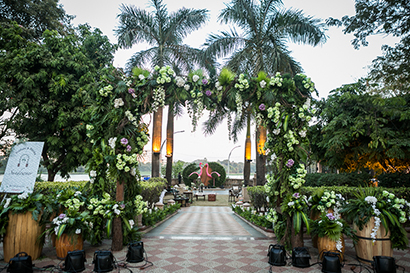
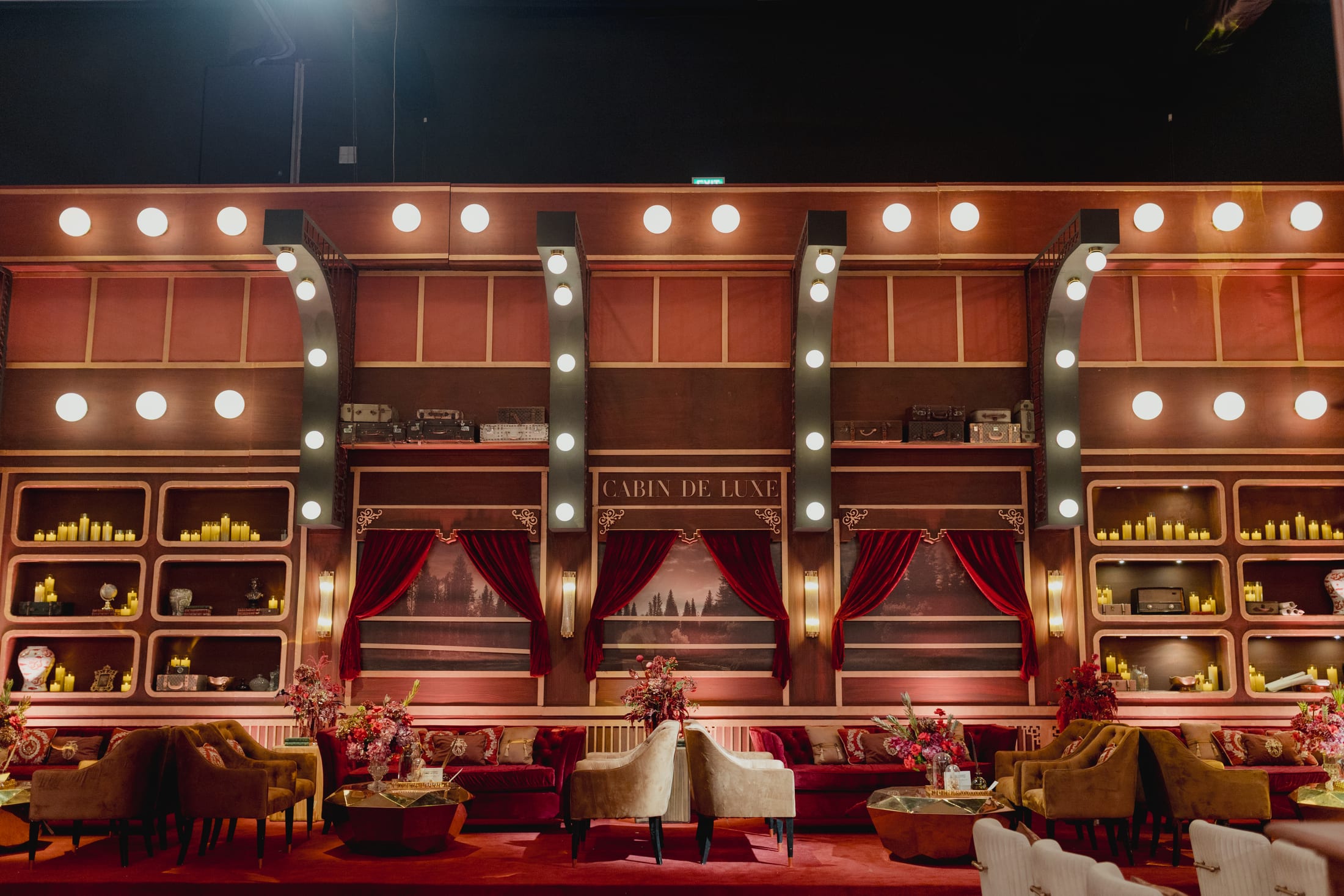
    So let’s break your dream destination wedding down.
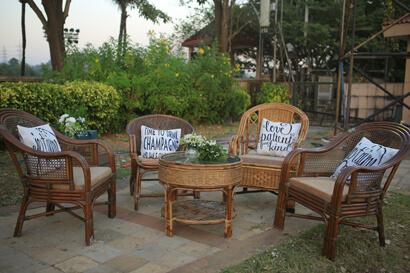
    1. The very first step is to sit down, hash out the various destination options and measure their feasibility very carefully.

    By this, we don’t necessarily mean the obvious costs like the venue, catering and decoration. While these costs are very important, it’s the seemingly hidden costs that actually build up in the end. So figure out what packages the venue is offering, what is included and what is not.

    While food may be included, the decor may not. The photographer and videographer most certainly won’t be. Besides that, wedding favours for the guests, the food and stay costs for the guests, the DJ.

    2. Next, comes the airfare.

    The airfare is usually the largest cost and a non-negotiable one. Plus, if you are taking care of the airfare for your guests, this will go up further. But here’s a tip that will make this cost much more palatable. Since you’ll already be at your dream destination, you won’t have to spend separately on your honeymoon. So club that expenditure along with your wedding expenditure and you will have more wiggle room in your budget.

    3. Then, let’s look at the accommodations.

    Accommodation is the next big non-negotiable expenditure on the list. And again this goes up when you add in the expense of putting up the guests. But there are a couple of ways of saving money here. Book your rooms well in advance to take advantage of discounts on bulk. It is also good to keep in mind that when booking at an all-inclusive hotel or resort, there will be special amenities and romantic touches that come included.

    4. Ask for wedding packages

    The great thing about a destination wedding venue is that it includes much more than just the basic venue if you’re at an all-inclusive resort. Couples can expect basic inclusions like the ceremony set-up, cocktail hours, wedding flowers, and more.

    5. Ask your wedding planner for vendor recommendations.

    Vendors are a huge part of any wedding ceremony and depending on the number of them, they can become expensive. Start with connections and recommendations that your wedding planner can help with as those would be more cost-effective.

    And finally, let’s narrow down the actual venue for your destination wedding.

    The best way of doing this is to choose one that has some significance to you and your partner. But if there isn’t any place that matches that description, then we have some tips right here.

    1. Assess the ease of getting accommodations around the venue.

    You don’t want to go to a strange country and have to figure out the travel options between your hotel and the venue, especially when you and your guests will have to make that trip multiple times. So choose a venue that has plentiful and cost-effective accommodations nearby.

    2. Check out the infrastructure and facilities.

    Make sure the facilities at the venue will work for the type of ceremony you are planning. For example, Catholic ceremonies in Mexico can only be performed in sanctified locations, so there is no way to have a Catholic ceremony on the beach. Think about what you need. Will you need a havan-kund for the pheras? Do you require a kosher meal? Are you planning a South Asian wedding? A Buddhist wedding ceremony? Be clear on what your requirements are.

    3. See if the venue has vendor tie-ups.

    If your venue has vendor tie-ups in place, it will just make your job that much easier. You won’t have to waste time hunting for them.

    So now, let’s get to the exciting part. Which country should you choose for your destination wedding?

    1. USA

    America is one of the best locations for a destination wedding. There are very few countries that can boast of such diverse terrain.

    Hawaii always tops the list. And with good reason. Black sand beaches, mountain peaks, private beaches and stunning sunsets all make gorgeous backgrounds for wedding photos.

    Next in line are Napa Valley, California, Los Angeles, Las Vegas and New York.

    2. Canada

    Alpine ranges, mystical forest landscapes, bright autumn trees, and magical snowy winters, Canada is a truly surreal country with the most breathtaking views you could imagine. So take a trip up to the land of the maple leaf and ice hockey and experience an unforgettable destination wedding in the north.

    3. Europe

    Not much could be more romantic than a destination wedding in Europe, a continent full of history, including the location of some of the greatest love stories of all time. Choose from a number of beautiful European wedding venues in Ireland, Scotland and Italy, just to name a few. Whether you dream of being married in a Tuscan villa, romantic cathedral or a medieval castle, Europe has plenty of venues and wedding packages for any couple’s budget. Your European destination wedding ceremony and attire can be as simple or lavish as you wish. Spend your time in Europe taking in the breathtaking views and landscape, visiting amazing historical sights and enjoying starry nights in the countryside.

    4. Australia

    Australia has an amazing choice of world class wedding destinations. From seaside wedding resorts where 100+ guests can stay the weekend to romantic elopement destinations that sleep just the two of you, Australia boasts some of the world’s most picturesque wedding venues for getaway style celebrations.

    4. Dubai

    When you think of a larger-than-life, luxurious destination, you automatically think of Dubai. In fact, if there’s one place that sparks instant romance (after Paris), it’s Dubai – a city where balmy afternoons turn into extravagant sundowners and majestic skyscrapers turn into heartwarming homes. There is absolutely nothing stopping you from having your dream wedding in Dubai – from world-class fireworks to having a celebration mid-air in Ain Dubai and then hosting a reception on a Yacht – you can have it all here.

  • Decoration for wedding

    Decoration for wedding

    All ado about Wedding decorations

    Weddings are an intricate part of our lives, a celebration that is looked forward to by the whole family and planned up to several years in advance. Once you set your date, the next thing to finalize is the whole wedding planning, decoration for the wedding and of course the venue where you will celebrate your special day. Wedding celebrations are getting more innovative with every year, with people wanting to plan their big day as uniquely as possible, unlike all the weddings of family and friends that they have attended. With unique trends in décor and planning with complete customization, there are many ways in which you can make your wedding stand out from the rest to make it a special experience for all of your guests. Millennial couples are paying more attention to guest entertainment and personalization to make sure their day becomes an unforgettable event for everyone. Finer details are planned with care like 24 hour hi-tea lounges, salons for the guests, after-parties, symbolic gifts, innovative invites sent up to rooms before the start of each function and special performances by periphery artists to involve everyone present. The artists can be performers, in costume, numerologists, mentalists, magicians, thematic artists and even exclusive performers like liquid drummers.

    The wedding venue is the most important thing to cross out from your list at the start. The venue needs to match the personalities of the couple and the kind of celebration they intend to have. It can be a palatial royal wedding and decoration for someone who wants a traditional and regal affair. A beach side fun wedding for a couple more adventurous and light hearted, or an exotic foreign location for those with the travel-bug. The venue also will lend character to your celebration and the themes will blend better for a perfect wedding day! Heritage structures have an ethereal ambiance about them which impresses and is loved by all. Outdoor and Indoor venues can be selected based on the weather, timing of the function and other rules and regulations that also become a deciding factor. With Covid regulations coming in place, most venues have a limit on the hours that outdoor and indoor music can be played, hence itineraries need to be planned accordingly. Deciding the themes and functions is the next big step and here is where the elders in the family come into play, sharing their expertise on the rituals that need to be held.

    Once you have zeroed in into your dream venue, planning the functions and the themes comes next. Many couples want to keep the smaller rituals intimate and personal with only immediate family present, while others want to celebrate each and every small ritual in the presence of all their guests and loved ones in a big fashionable way. Similarly, some may want a 2-day wedding, while others go in for an elaborate 4-5-day wedding that makes it a whole week of fun and togetherness for all guests. Additional fun activities like a pool party, game night, cocktail night and even mela and fun fairs are arranged to give everyone a taste of exclusivity and to make sure each day has something special for them.There are however, few wedding functions that are common to most all Indian weddings like the Welcome lunch/dinner, Mehendi, Sangeet, Haldi, Wedding Pheras and a Reception. Most millennial couples also prefer to have after-party celebrations post their Sangeet or Reception functions. These after-parties very well go on till late into the night and the wee hours of the morning with their cousins and friends.Below you can read about some of the themes for the functions that are most loved and ones which exude exceptional tastes.

    Wedding decoration has come a long way since the past two decades and is always evolving to include various trends and themes that translate into exceptional celebrations. Leaving behind the simple floral arrangements and regular tables and chairs that were the norm, weddings today have many detailed and customized aspects that make your event look exceptional. Specially made furniture matching the wedding theme with customized cushion covers for pillows, tie backs, table overlays all ties in together and makes the venue come live with the chosen look. Wedding decoration also has encompassed art installations like paintings, floral art, customized sculptures along with props, lighting and thematic signage which can take on a quirky tone to add to the vibe of the event being planned. Wedding decoration stands for a lot more than it did a decade ago. With rapidly changing tastes and more self-aware couples who know the type of celebration they want, décor has gone a long way and now caters to all new avenues. Taking inspiration from a city, country, place or even nightclub that the couple holds important and dear to their love story, wedding designers now use decoration to bring to life those moments and immortalize them forever as part of their wedding memories.

    Some of our favourite decorations for your wedding functions

    A welcome dinner or lunch is usually a good idea to get both sides of the families together for some fun before the wedding festivities start. A good anchor helps to break the ice and organize fun family games with the relatives as this sets the base for the next few days that everyone will be spending together. Wedding dinner themes should be welcoming and something that the couple feels will be the vibe for both families. A Luau welcome lunch held at an exotic Rajasthan location made the venue look alive with the festive Hawaiian themed decorations. Servers in matching Hawaiian themed outfits moved around offering cool drinks and bites to guests. Fruit art center pieces and lots of greens used with edibles like chocolates and fruits decked the tables with the tropical feel. The couple seating, welcome signage and the DJ console were also all decked to match the vibe and the overall feel of the lunch was such that the guests felt transported to another place! Another theme used for an exotic welcome dinner was that of a rustic, Buddha bar with tiki torches lining up the pathway to the venue and a 15-foot Buddha statue that stole all the attention. Decorations done up with twinkling fairy lights that lit up tented cabana style seating at the poolside with desiccated flowers and over a thousand scented candles looked simply magical.

    2. Mehendi

    A mehendi function is most dear to the bride and usually this part of the wedding decoration is done with her tastes and likes in mind. From vibrant and bright mehendi décor to subtle and pastel; the theme stands out just like the bride. For one such function, the entire theme was developed around the use of Patola fabric that is native to Gujarat for this special couple. Patola sarees were used in draping, special prints were used for the furniture, bright colours were used as hangings making the theme visible all around the venue. Another bride wanted her Mehendi function to be an ode to her love for fairy tales, and thus was designed the Mad Hatter’s Tea Party. All characters were represented with periphery artists, a keyhole entrance led to the magical lands, bright coloured flowers drenched the entire garden venue with their stunning display as giant cages were transformed into stylish lounges. Tea cups, saucers, hats, clocks and more were all a part of the decorations that transformed this Mehendi into the bride’s dream come true.

    3. Sangeet

    Sangeet functionsare always peppy with hi energy and lots of fun and dancing, creating innumerable memories to capture! A sangeet function will invariably have the couple’s favourite artist performing for them along with a DJ to belt out foot tapping tunes for the guests. A royal sangeet at the Zenana Mahal decked with antique glass candle holders, red florals and mirrored walls looked resplendent and regal to the T. SFX with smoke, cold pyros timed fireworks added an extra oomph to the decorations. Another favourite theme for the sangeet is Bollywood and it can be executed in many different ways. A detailed thematic celebration we planned included look alike actors and invisible drummers to welcome guests as fake paparazzi flashed their cameras away. Movie posters blown up to 15 feet lined the walls in the pre-function area as well as the ballroom and award statuettes, clapboards, film reels were used as table centrepieces with Bollywood customized cushion covers and coasters to ensure an all-round experience.

    4. Wedding Pheras

    The function where every detail is of utmost importance, the wedding decoration at the pheras is also the most important. Most couples like to go with traditional themes that match the emotional moods and moments of this day. Flowing fragrant florals, traditional elements, lights and a surreal ambiance makes the perfect wedding phera setting. For an ethereal phera function held at a lakeside venue in Mumbai, we designed the mandap with cascading strings of tuberoses set against the lake. Lounges with Indian prints in English colours and traditional elements used in the décor with exotic floral arrangements made an everlasting impact. For yet other beautiful weddings;a floral exclusive mandap with mirrored pillars, delicate ivory lace chair covers and the glow of candles set the mood for an evening of beauty and grace.

    Thematic Wedding Decoration is the way to go

    Thematic decorations for your weddingare in vogue now to give your guests an experiential feel and unforgettable memories of your special day. Everyone wants to make their wedding day a bit special for themselves and their loved ones, and having a theme to the wedding functions is one way to do it. It also creates excitement where guests can look forward to participating by following the thematic dress codes that are given. Here are some of our popular themes that most brides and grooms go for:

    1. Wedding Decoration – Vintage

    With vintage back in fashion, this theme makes for beautiful and romantic ambiances for your special day. Whether you love the 1930’s Art Deco, Great Gatsby-style luxury; or prefer lots of lace, ivory & pale colours, pearl details and candles;a vintage theme for any of your wedding functions will undoubtedly leave a lasting impression.For a vintage themed sundowner party we planned at a lake-side venue, we used props like antique sewing machines, rotary dial telephones, vintage leather covered books, vintage suitcases and typewriters that were set up to add an old-charm look. The wedding decorations, flower arrangements andprops all were in keeping with the colour palette of pearl, ivory and silver. Antique mirrors with pearl strings draped on them, vintage cutlery and tea sets add to the dining experience.

    2. Wedding Decoration – Fairy-tale

    A fairy-tale is what all brides and grooms wish for,with ever-lasting happiness and joy! Fulfilling one bride’s wish to feel like a princess at her wedding, we designed and planned her Mehendi function to be themed after Alice in Wonderland. Artists dressed as the White Queen and Alice welcomed the guests to the venue through a floral keyhole entrance. The pre-function area was decked with sweets likecupcakes, jellies, cookies, chocolates, cakes, macaroon towers and a chocolate fondue as well. Keeping in with the theme, there were treats labelled ‘Eat Me’ and bottles as ‘Drink Me’. A fortune teller enticed guests just before they stepped out into the chess gardens.Clocks, hats and teacups and saucers hung from the foliage all around the venue, lending towards the theme as well. Table place mats were printed with clocks as well amid bright floral runners. A myriad variety of exotic florals used in the decorations were in shades of pink, lilac, green, whites and peach. The Mad Hatter joined in the revelry as footmen stood attentively at the foot of her pumpkin carriage, making this fairy-tale wedding come alive!

    3. Wedding Decoration – Good Earth

    Connecting the wedding decoration tothe beauty of our Earth, the good earth theme consists of a lot nature inspired elements. From antique furniture to beaten metal vases and tall brass lamps decorated with minimal flowers, lots of props can be used to liven up spaces. An abundance of tuberoses, tagar jaalis, Kenya roses, palm trees, rajnigandhas, kamini patta floral arrangements placed throughout the venuelent a serene and graceful ambiance for a wedding we designed & planned. Lounges were created with modern Indian prints in English colours and propped with vintage props, console tables, candle stands and tall brass glasses. The head table decked with floral runners in whites and greens as swan hangings with tuberoses placed overhead. Cascading floral strings of fragrant tuberose add a lilting look that enchants wherever it is used, over the pathway, lounges or even the mandap. Such glamourous wedding decoration combined with exotic floral arrangements in delicate crystal vases depict a picture of pure perfection for the most important day of your life. This theme is one of the favourite for all brides and the results are beautiful, be in indoor or outdoor venues.

    4. Wedding Decoration – Royal

    Everyone loves to feel like royalty on their wedding day, making it much more specialfor them. From not only dressing up like royalty with elements of regal attire in their outfits and accessories, but celebrating their wedding at a palace venue and planning the wedding decoration in a way to display royalty makes it an exotic experience for them and all their guests. Grand mandaps set up against the backdrop of the Umaid Bhawan or Jagmandir, the Island Palace look ethereal and stunning. Wedding decorations fit for a king and queen can be planned with an abundance of fresh flowers, royal elements, striking floral installations, lighting and rich colours. Exclusive entry and varmala ideas with cold pyros and fireworks add a touch of magic to the majestic wedding day.

    5. Wedding Decoration – Award Night

    This is a theme that has soon become a favourite for a Sangeet, Cocktail night and even Reception function. Everyone feels like a superstar when they are up on a starry stage with LEDs flashing behind them, very reminiscent of an awards night stage. With a LED wall at the backdrop and even the façade of the stage, string bulbs and flashing lights lend an air of fun, glamour and iridescent evening. This wedding theme decoration can be combined with various periphery artists who mingle with the crowds and perform for them adding to the entertainment value.

    New trend of After – party celebrations

    Traditional receptions are still present, but in destination weddings when all family and friends are together for the whole 3 or 4 days of the wedding, a reception is usually replaced with an after party where all guests can enjoy and celebrate the newly-wed couple. Some of the most popular, fun & lively after party themes:

    1. Wedding Decoration – Bollywood

    Calling all Bollywood fans! Everyone across all ages enjoys this theme, making it one of the favourites of all time. Extreme detailing can take this theme from basic to experiential, making it an unforgettable night. From having actor doubles to make an appearance to fake paparazzi who make the guests feel like stars when they enter the venue, a lot can be done with this theme. Blown up movie posters can adorn the walls of the ballroom or the pathway with bulbs lit up along the way. For decoration of this wedding after party, customized cushion covers and coasters with prints of popular actors across the decades, quirky dialogue signages around the venue with some classic gold & black and shimmer completes the look. Exotic florals with the red carpet look and props like award statuettes and clap boards adds to the detailing of this look. To add a fun quotient to this night, movie ticket invites can be sent out which will be stamped on entry with the couple’s logo.

    2. Wedding Decoration – Night Club

    Transforming your ballroom to look and feel like a night club is another of our favorites! For an after party held in Mumbai, the post wedding decoration was done up completely in black & white with cirque as part of the theme. Black and white geometric prints on all furniture with a pop of royal lavender, blue and red florals stood out. A variety of periphery artists like contortionists, aerial silk artists, mirror men, illuminated stilt walkers, ballerinas, LED drummers, clowns with pirate dwarf sidekicks all moved about the ballroom putting on acts for the guests. Hand-painted animal statues, sculptures and paintings all in black & white were placed throughout the venue. The central 40-foot bar was done up with a thousand pieces of customized acrylic hangings with cube lights over the dance floor making the venue look like a night club. The décor lent an air of mystique and beauty and was a different out-of-the-world look which looked stunning.

    3. Wedding Decoration – Pajama parties and such

    The best themes are those which allow the guests to enjoy themselves and relax in their surroundings. For most after parties, young couples like to have fun themes where all their guests can participate in them, making it enjoyable for all. The post wedding decorations for this also depends largely on the theme chosen. After the wedding festivities and a traditional sit-down dinner, the bride and groom can unwind and relax to celebrate their new status of Mr. & Mrs. with their near and dear ones with a casual pajama party where everyone can change from heavy jewelry and dresses to something light and casual. Neon props add a fun quotient as do cold pyros for a dramatic entry. Lighting effects with laser lights, LEDs make the night more alluring.

    4. Wedding Decoration – White Wedding / Winter Wonderland

    Many brides and grooms like to borrow the western idea of a white wedding setting. Apart from the wedding pheras, which are usually traditional in manner of celebration; many couples choose the white/ivory theme for another one of their functions like a Sundowner welcome dinner or the after-party. Starting with the décor in shades of ivory, pearl, whites and off-whites, contrasting white floral arrangements with greens and rustic colours does wonders for the look. Rustic elements like wood and jute also add a lot of character to the décor. Combining it with a casual chic seating with low cabanas strewn with customized cushions and elements like inverted florals from the ceiling give this decoration a unique feel. For a more formal ambiance, ivory florals with snowflake cutouts and pale fabricsshowcase a winter wonderland theme.

    Theme integration is definitely the way to go and a complete representation can be achieved in all the wedding functions with the wedding decoration, artists, entertainment, invites & gifting and even the menu & food presentation all coming together to provide a perfect thematic experience for everyone.

  • Upcoming Wedding Trends

    Upcoming Wedding Trends

    DREAMZKRRAFT’S TOP WEDDING TREND PREDICTIONS

    Year after year there has been a major evolution in wedding trends. Each function and every minute element is personalized, and the motto is all about leaving your guests with a memorable once-in-a-lifetime experience.

    Below are some upcoming trends and themes to follow for your 2019 wedding that will add to its charm and elegance, making it a surreal experience for you and your guests as well.

    1. Bringing the inside out

    A trend which was loved in 2018 and is on the rise in 2019 is ‘bringing the inside out’. With cozy and easeful décor elements, an outdoor area is magically transformed into the comfy corners of your home. Using relaxing couches, contemporary coffee tables, colorful duvets, and tonnes of snug throw pillow the vibe we go for is warm, homey and intimate.

    2. Eco-friendly custom elements

    With our brides and grooms becoming more socially aware, there has been a major shift in the wedding space towards more eco-friendly weddings. This is seen in the form of décor elements and giveaways as well. Saplings or plants as thank you gifts are always a hit among the guests. In addition to this, couples nowadays opt for e-invites, thus eliminating the whole paper wastage process altogether.

    3. Larger-than-life ceiling

    Be it a spacious ballroom or an aweinspiring open venue, a statement chandelier just adds to the grandeur of the place, giving it a luxurious vibe. A fairy lights ceiling for a night time function makes the venue look magical. Mirrored surfaces act as reflectors making the venue look straight out of a fairy-tale.

    4. Unique Guest book ideas

    Moving away from traditional guest books, couples opt for wishing trees in which guests can hang their wishes for the couple. Some other ideas include Jenga blocks, puzzle pieces or even globes. These can be used as décor elements in their new home, thus leaving the couple with a small remembrance of their wedding forever.

    5. Wooden baskets, wooden baskets andmore wooden baskets!

    Wooden baskets serve as an affordable décor element and can be used in innumerable ways, be it with a mix of florals, tassels, or even as breathtaking magnificent ceiling décor. They are often used as delicate hangings or even as elaborate stand-alone installations.

    6. Quirky dance floors-Why walk when you can dance?

    An upcoming trend is fun dancefloors. Acrylic mirror dancefloors are another great option to increase the oomph factor of your party. Have a look at the dance floor we customized for a Jaipur wedding this season with an adorable quote.

    7. Life-size paper florals

    Giant floral installations as décor elements make an impactful impression. Use them as a stand-alone main attraction, photo booth or even as entrance/pathway décor. Additionally, paper elements are reusable and result in minimal wastage

    8. A mix of different grasses as décor elements

    Pampas grass with a mix of pastel-colored florals gives the wedding a minimalistic yet chic vibe. Appearing incredibly romantic, it is used to decorate arches, aisles or even used as a modern centerpiece element.

    Lemongrass or wheatgrass are also commonly used as well. Be sure to check our other blogs for fresh, unique and innovative ideas for the upcoming wedding season.